If you’re managing a property in New York City, you know that “quiet years” don’t exist. Between the salt air hitting your facade and the relentless evolution of city mandates, your building is in a constant state of flux.
As we move into 2026, the stakes for capital improvements in NYC have shifted. We’re no longer just talking about “fixing what’s broken.” We’re talking about strategic building restoration that aligns with the NYC Preliminary Ten-Year Capital Strategy and the newest waves of Local Laws (like the recently enacted Local Laws 12 and 47 of 2026 regarding flood resiliency and energy codes).
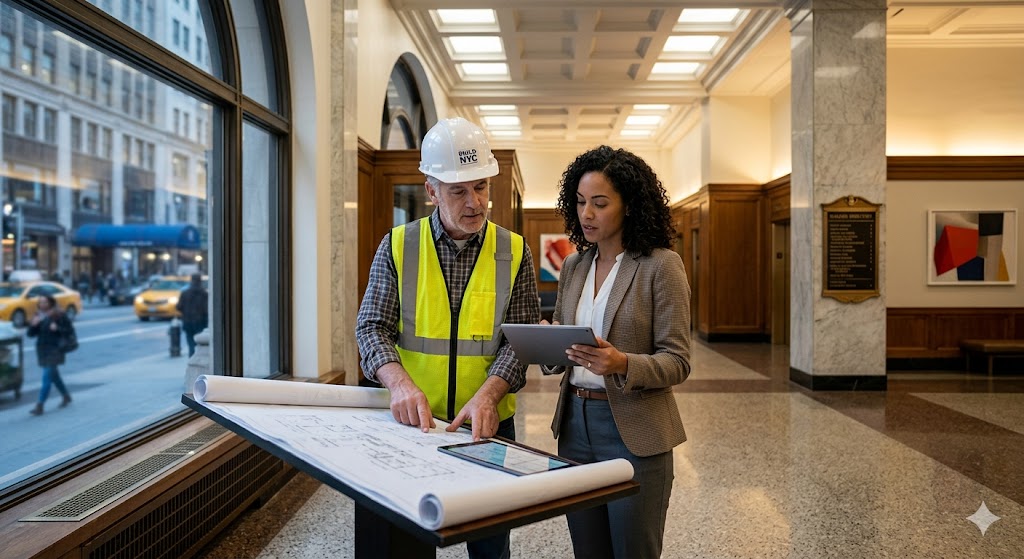
At CHK Construction, I view my role not just as a contractor but as a consultative partner. Here is my breakdown of how to prioritize your 2026 budget to protect your assets and your bottom line.
1. The “Compliance-First” Filter
In NYC, your budget is often dictated by the Department of Buildings (DOB). For 2026, you must account for:
- Local Law 97 (Carbon Emissions): We are officially in the first major compliance period. If your building isn’t hitting its carbon targets, your “capital improvement” might need to be a high-efficiency roof or window retrofit to avoid massive fines.
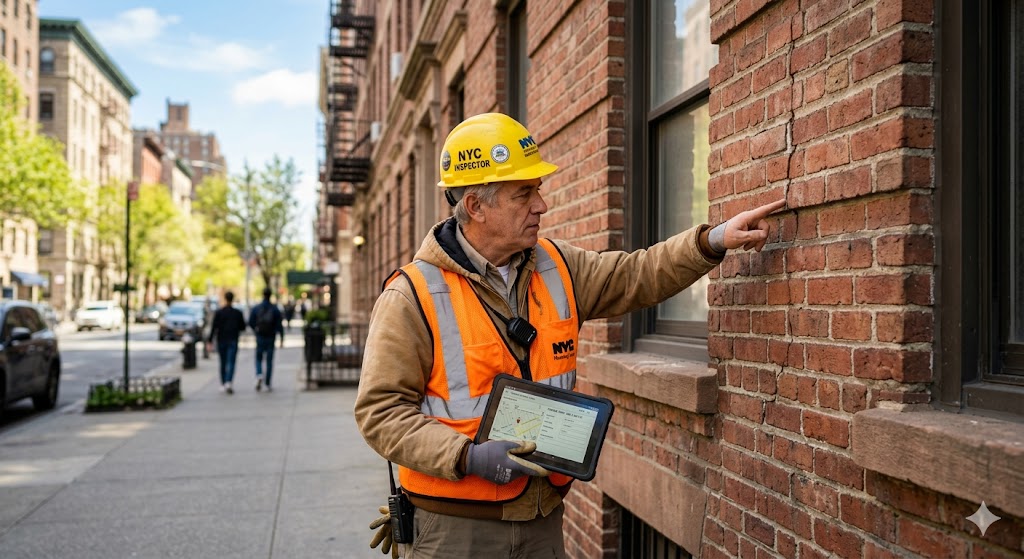
- FISP Cycle 10 (Facade Inspections): Depending on your block number, you might be entering a critical window for facade reporting. Early planning for scaffolding and masonry work can save you 20% compared to “emergency” repairs.
2. High-ROI Building Restoration
When I sit down with managers, I look for “Compounding Improvements”—projects that solve a problem while increasing property value.
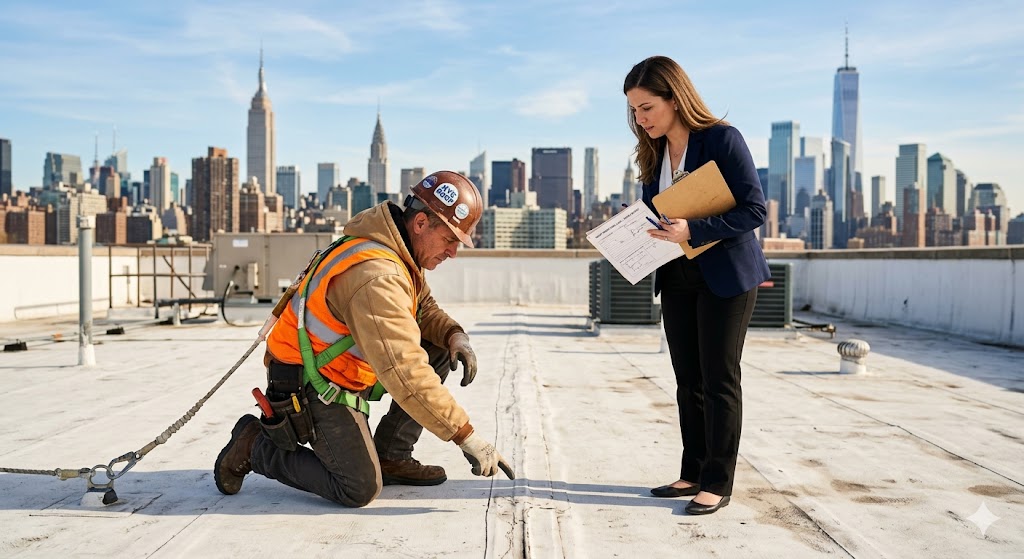
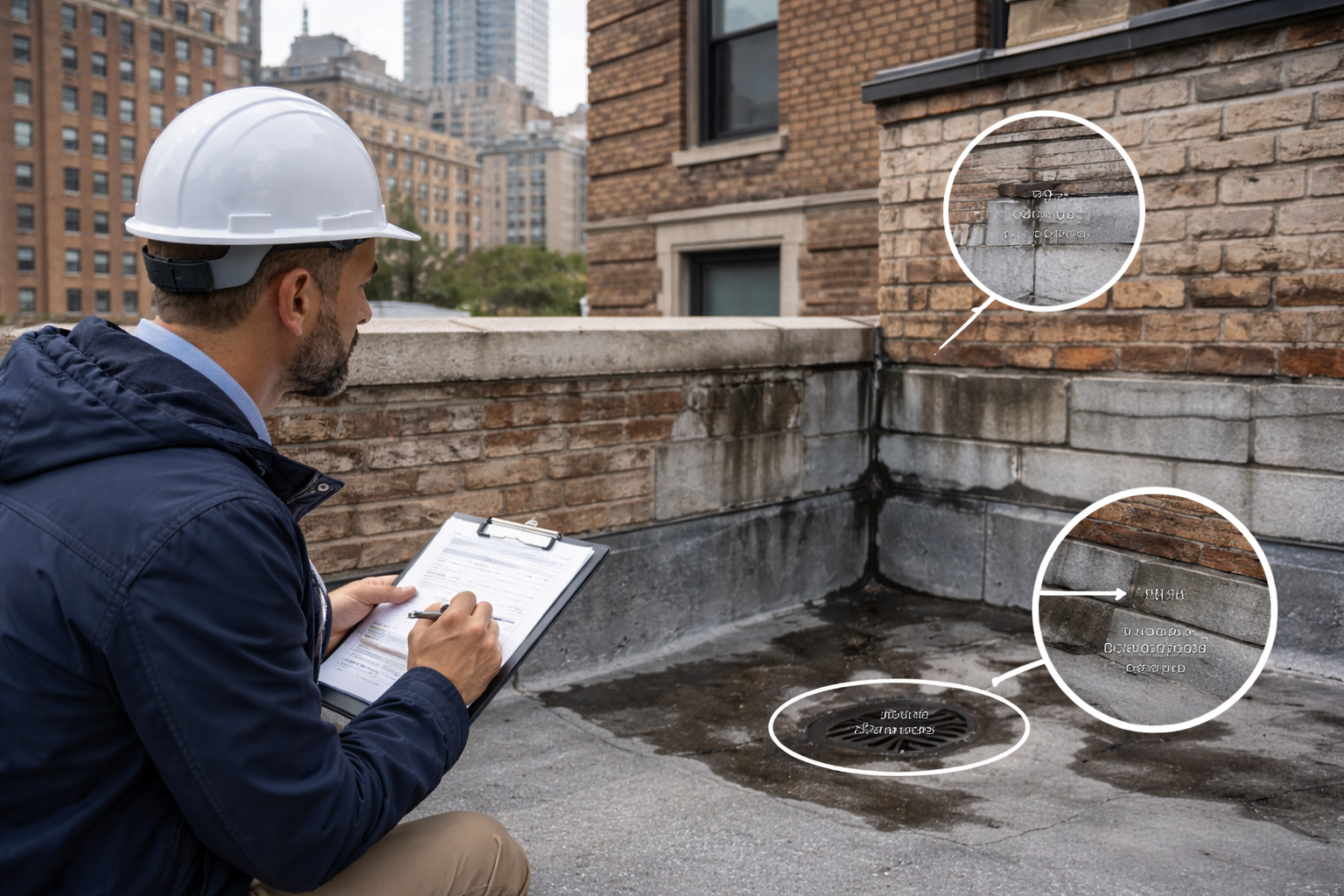
- The Envelope Upgrade: Replacing a failing roof is a repair. Replacing it with a Liquid Applied Membrane or a Green Roof (leveraging the $10–$15/sf tax abatements) is a capital improvement that lowers your LL97 emissions.
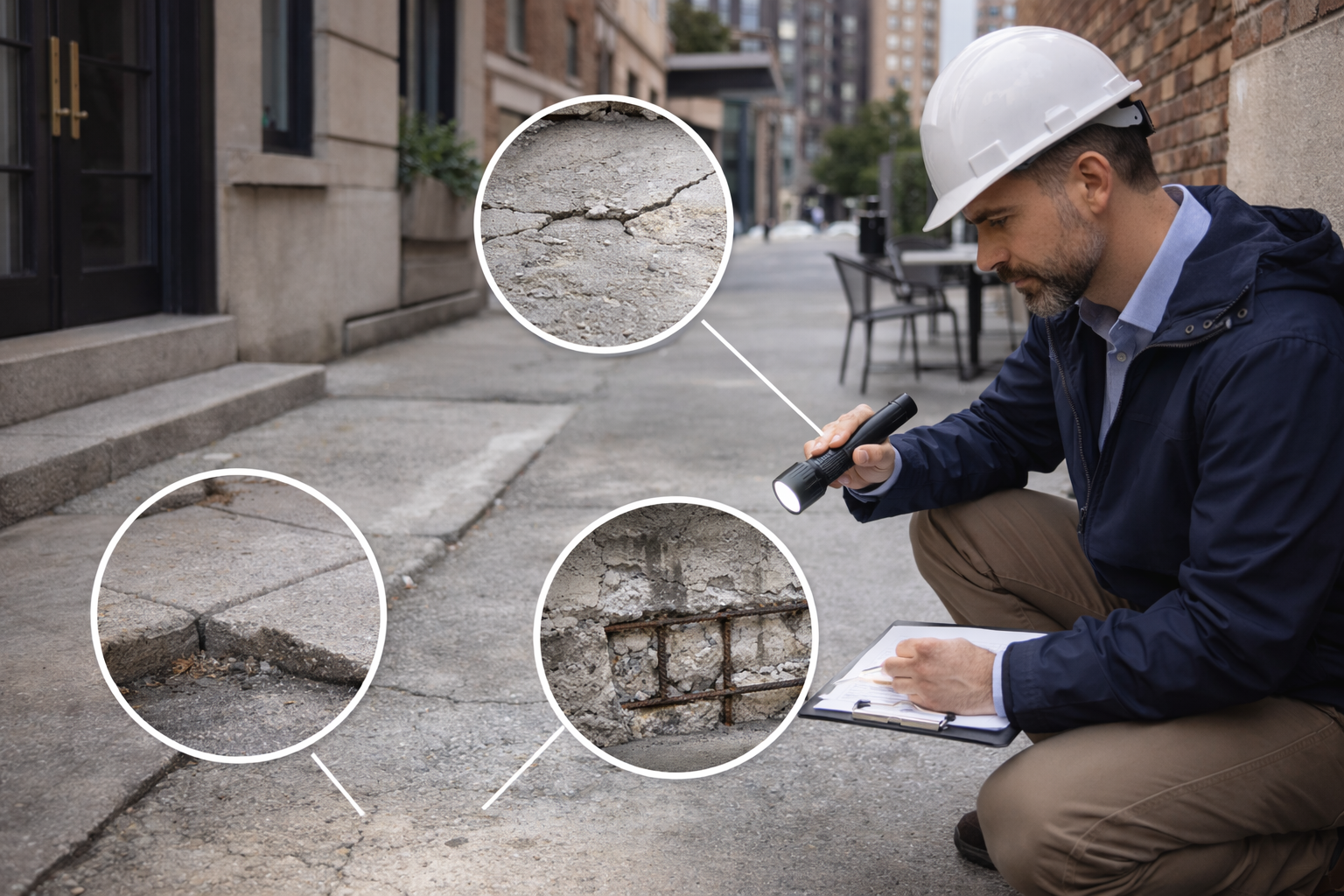
- Parking Structure Integrity: With 2026 bringing stricter rules for parking structure inspections (QPSI), proactively addressing concrete spalling now prevents the structural “death spiral” that leads to million-dollar slab replacements later.
3. Budgeting for the 2026 Economic Reality
Construction costs in NYC have stabilized, but labor and specialized materials (like PMMA resins) remain premium.
- Soft Costs: Always allocate 15–25% for soft costs (permits, engineering, and the “expediting” fees that are a reality of NYC life).
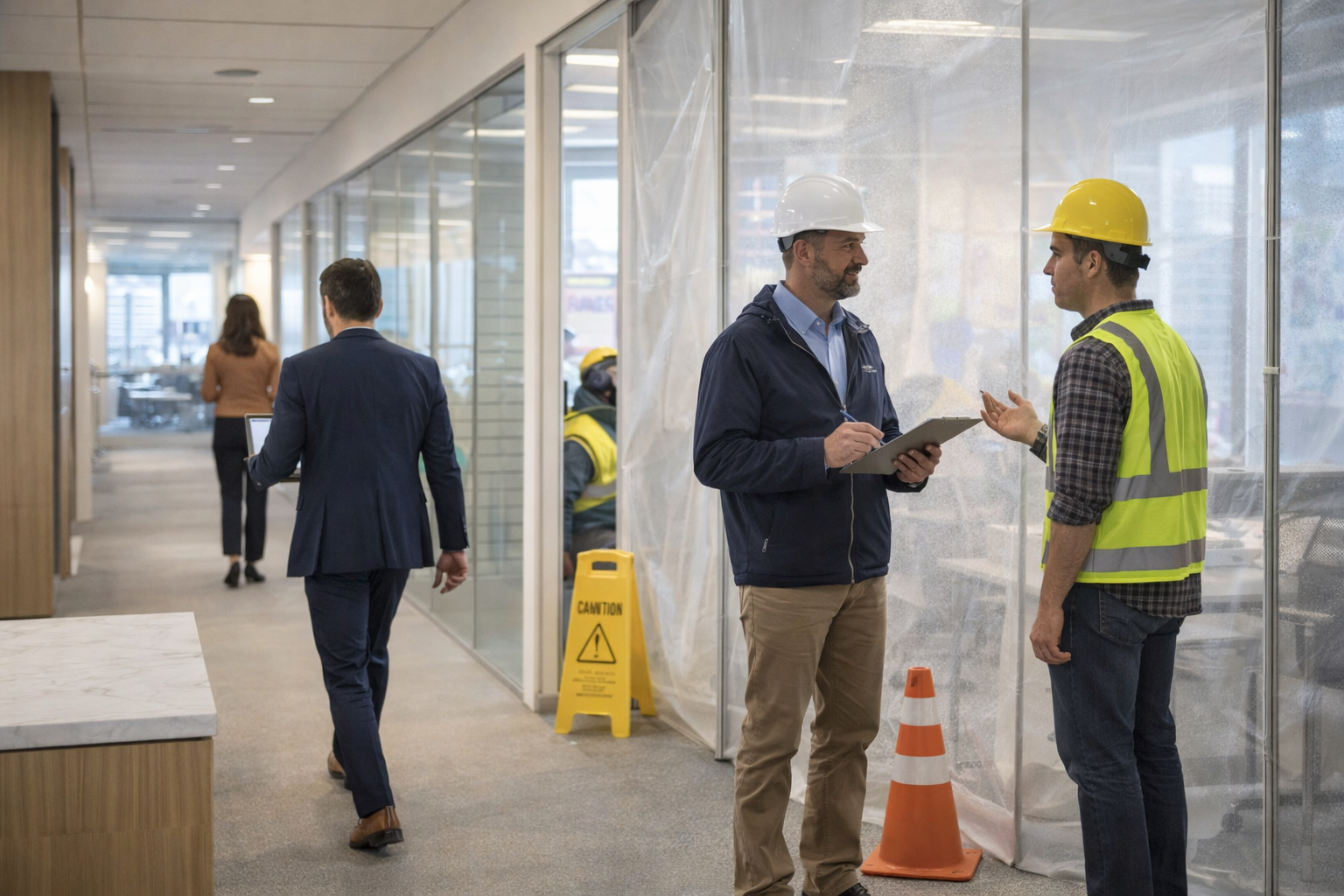
- Contingency: For older buildings, a 15% contingency is non-negotiable. Whether it’s asbestos found behind a wall or a structural beam that’s more “rust” than “steel,” 2026 is the year of the “unforeseen condition.”
The CHK Consultative Approach
We don’t just bid on a scope of work. We help you create it. By conducting a “pre-budget audit,” we can identify which repairs can be deferred and which ones are “ticking time bombs.” Our goal is to move you from reactive maintenance to proactive capital planning.
FAQs
What qualifies as a capital improvement in NYC?
A capital improvement is a permanent structural change or restoration that enhances a property’s value, prolongs its life, or adapts it to a new use. Examples include a new roof, boiler replacement, or facade restoration. Unlike routine repairs (like fixing a single leak), these are depreciated over time.
How do NYC property managers budget for Local Law 97?
Most managers are creating “Decarbonization Capital Plans.” This involves auditing the building’s energy use and scheduling capital improvements, such as envelope sealing or HVAC upgrades that reduce carbon footprints before the next penalty tier kicks in.
Is building restoration tax-deductible?
In New York, most capital improvements are not sales-tax exempt for the owner, but they can be used to increase the “cost basis” of the property, which reduces capital gains taxes upon sale. Additionally, programs like ICAP can provide property tax abatements for up to 25 years on eligible commercial renovations.
How can I reduce the cost of sidewalk shed permits in 2026?
The fastest way to reduce costs is to shorten the duration. By hiring a contractor like CHK that handles both the sidewalk shed permits and the actual restoration work, you eliminate the “lag time” between the shed going up and the work starting, saving thousands in monthly rental fees.
Ready to Map Out Your 2026?
Don’t wait for a DOB notice to start your planning. Let’s sit down and look at your building’s 5-year outlook together.
Want a partner who speaks “NYC Compliance”? Book a Capital Planning Consultation with CHK Construction Restoring NYC, One Landmark at a Time.