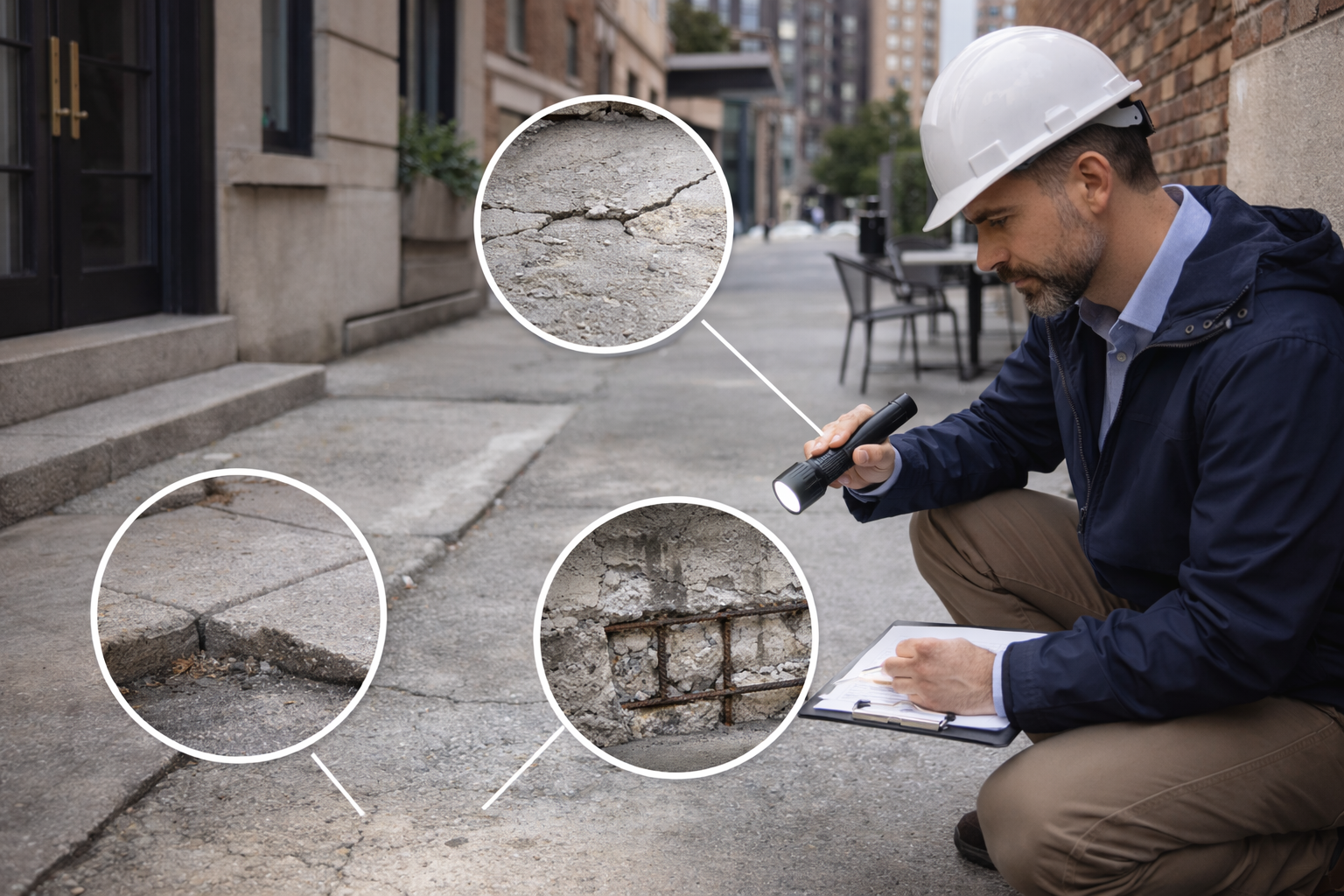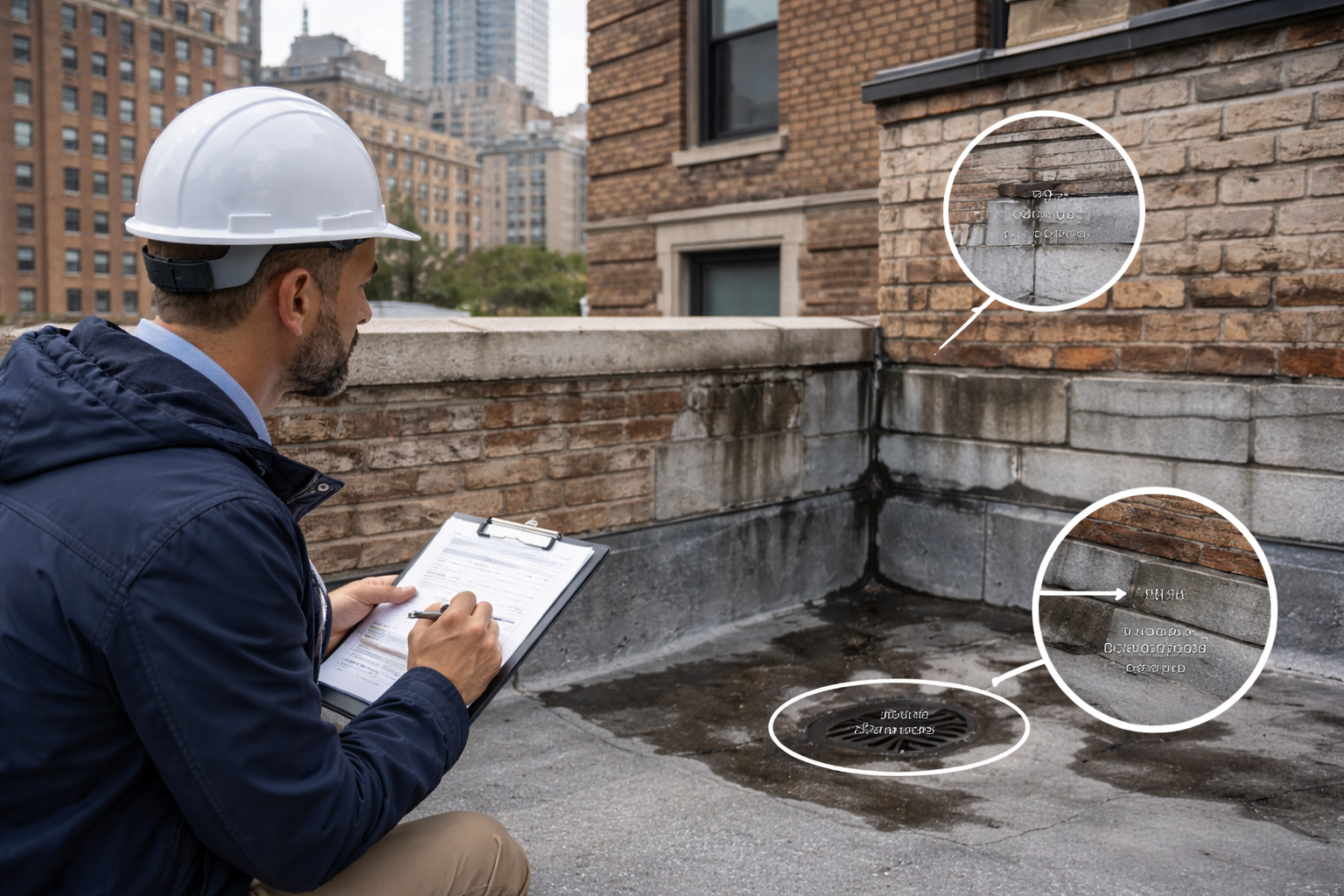
I have spent a significant part of my career walking the rooftops of commercial buildings across New York, New Jersey, and Connecticut. Every time a property manager calls me about a leak, the very first question they ask is whether we can just patch it up or if they need to tear the whole thing down. I completely understand the hesitation. Deciding between a quick fix and a massive capital expenditure is incredibly stressful, especially when you are trying to balance immediate budgets against long-term operational costs.
Clients often struggle because they want predictable revenue and expenses, but a failing roof creates total unpredictability. Today, I want to share my professional framework to help you decide exactly when a patch is sufficient and when starting fresh is the smarter financial move.
The Age and History of Your Current Roof
The very first thing I look at during an inspection is the age of the materials. Commercial flat roofs typically last anywhere from 15 to 25 years, depending on the membrane type and how well the surface was maintained.
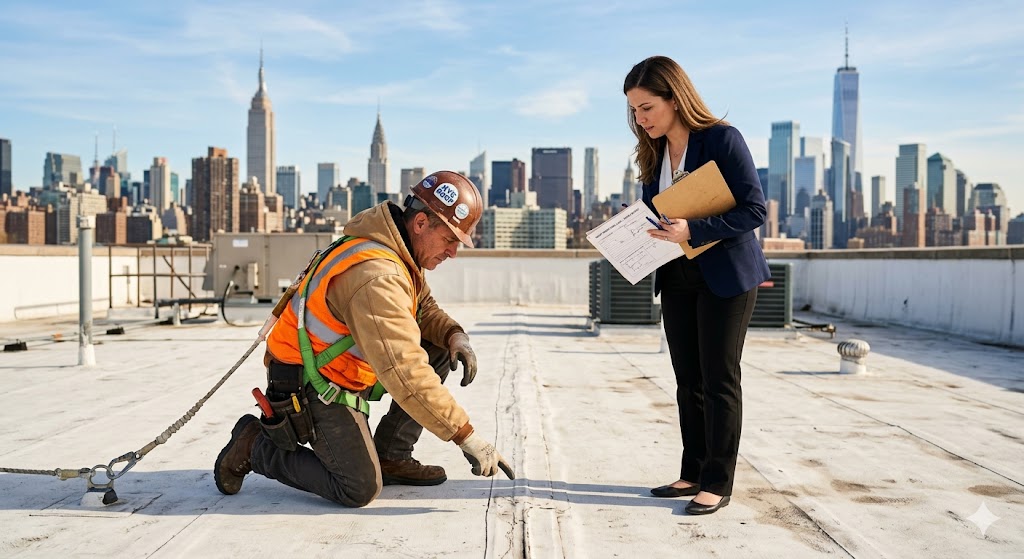
If your roof is relatively young and you suddenly experience a localized leak after a severe winter storm, a targeted commercial roof repair that NYC property managers frequently rely on is usually the most logical step. We can isolate the damaged membrane, reseal the perimeter flashing, and extend the life of the roof for many more years without disrupting your entire building. If the issue is contained and the overall field of the roof is healthy, a repair is highly cost-effective.
When Patching Becomes a Money Pit
However, there is a definitive tipping point. I often see clients spending thousands of dollars every few months chasing leaks across an aging roof. If you are constantly calling a New Jersey-based roofing contractor or in New York to fix new problems on the same building, your “cheap” repairs are actually draining your budget.
Saturated Insulation is the Dealbreaker
One of the biggest red flags I look for is saturated insulation beneath the surface. If water has penetrated the top membrane and soaked the insulation boards beneath, a surface patch will not save you. Trapped moisture rots the structural deck, breeds mold, and destroys your building’s energy efficiency. In these cases, investing in a full roof replacement, NYC experts recommend, is the only way to protect the structural integrity of your property. Covering up wet insulation with a new patch is like putting a Band-Aid on a broken bone.
Factoring in Energy Efficiency and Building Codes
Upgrading your roof is not just about stopping water from entering the building. Building codes across our region are constantly evolving to demand better energy performance and stricter environmental standards.
Older roofs simply do not offer the thermal resistance required by modern benchmarks. By tearing off an outdated, dark-colored system and installing a highly reflective, well-insulated new roof, you can drastically reduce your summer cooling costs. As a dedicated Tri-State roofing company, we always factor these long-term utility savings into our cost benefit analysis for our clients. Sometimes, the monthly energy savings of a new roof offset a significant portion of the installation cost.
FAQ
How long does a commercial roof replacement usually take?
The timeline depends heavily on the size of the building, the weather, and the type of material being installed. Most commercial replacements in our region take anywhere from a few days to a couple of weeks. We always stage the work strategically to ensure your daily business operations can continue safely while the project is underway.
Can I install a new commercial roof over the old one?
Sometimes you can. This process is called a roof overlay or retrofitting. Building codes typically allow a maximum of two roofing layers on a commercial structure. If your current roof only has one layer and our core samples show that the underlying insulation is completely dry, an overlay can save you significant time and tear-off costs.
What is the most durable commercial roofing material?
For flat commercial roofs in the Northeast, TPO (Thermoplastic Polyolefin) and EPDM (Ethylene Propylene Diene Terpolymer) are widely considered the most durable and cost-effective options. TPO is highly reflective and great for energy efficiency, while EPDM is essentially a thick, weather-resistant rubber that stands up incredibly well to extreme temperature fluctuations.
How much does it cost to repair a commercial roof leak?
Minor repairs like resealing a flashing joint or patching a small puncture can be highly affordable. However, the cost scales up quickly depending on the severity of the water damage and whether the underlying insulation needs to be removed and replaced. I always recommend getting a comprehensive inspection first to pinpoint the exact scope of the problem before establishing a budget.
Conclusion: Making the Right Investment for Your Building
Your commercial roof protects everything inside your building, from your valuable inventory to your hardworking tenants. Trying to squeeze another year out of a failing system is a gamble that rarely pays off in the long run. By evaluating the age of your materials, tracking the frequency of your leaks, and checking the condition of your insulation, you can make a confident and financially sound decision.
I invite you to reach out to our team at CHK Construction. Let us perform a thorough, honest evaluation of your property. We will lay out all your options clearly so you can choose the best path forward for your business. Visit us at CHK Construction today to schedule your comprehensive roof evaluation.