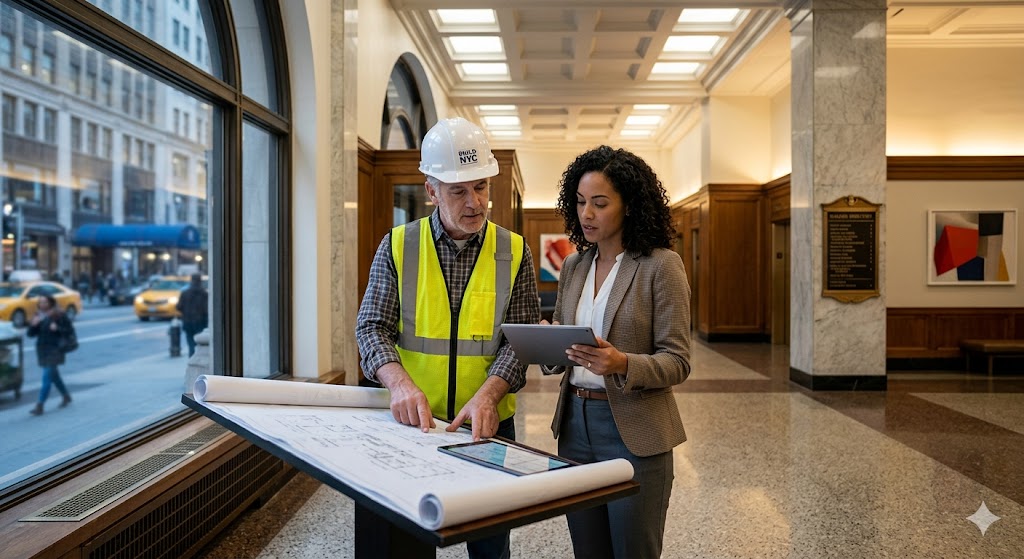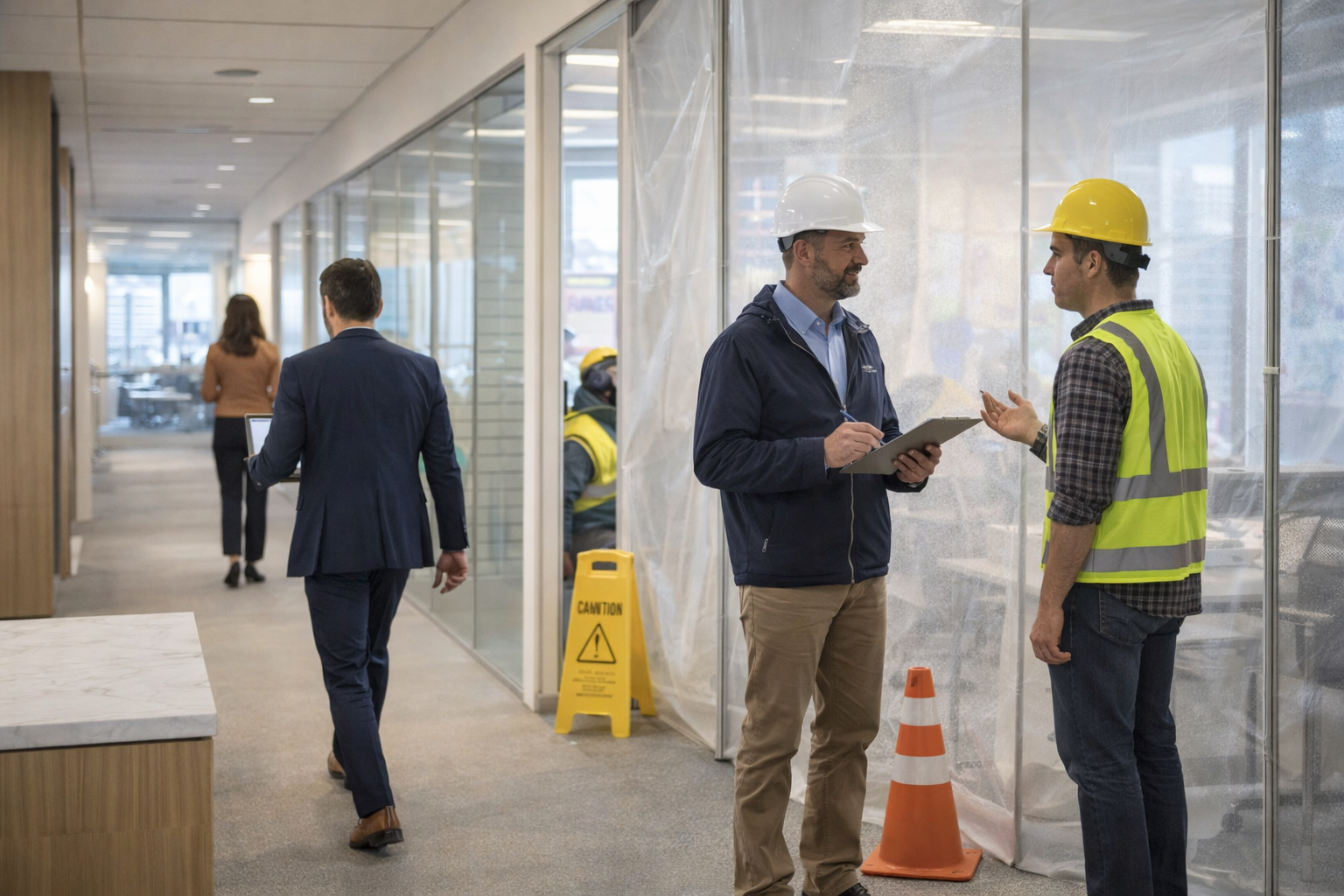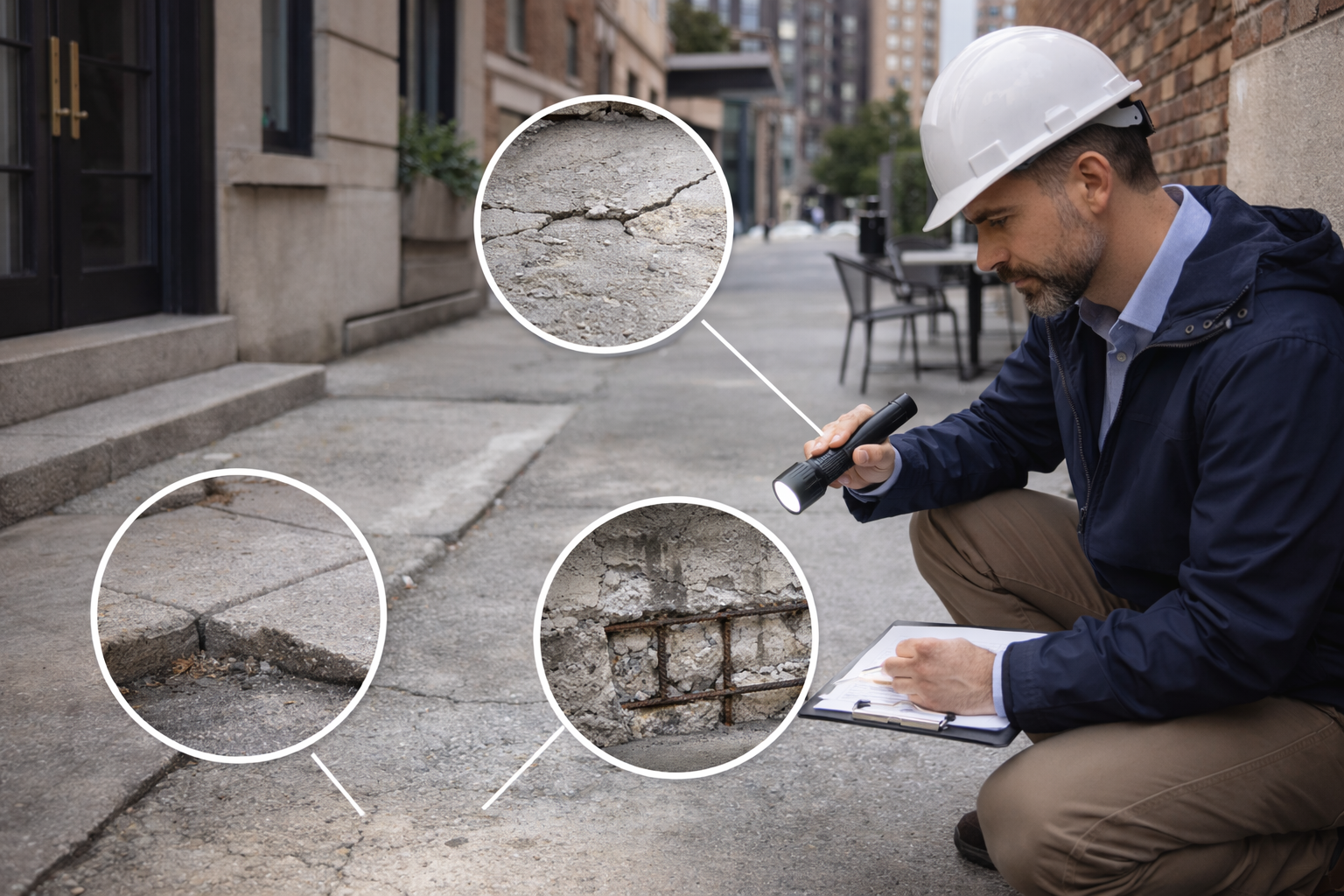
If I own or manage an occupied building in New York City, interior remodeling can feel like a no-win situation.
I want the upgrades. I want the space to work better. I want the property to look more modern, operate more efficiently, and support tenants, staff, or customers more effectively. But I also know what can go wrong if the renovation is handled poorly: dust everywhere, hallway complaints, noisy work during business hours, blocked access, frustrated tenants, slowed operations, and in the worst cases, lost revenue.
That is why I never think of interior remodeling NYC projects in occupied buildings as simple construction jobs. They are operational projects. The work has to be planned around real people still using the space.
For CHK Construction, this topic is a direct fit. The company says it has served the tri-state area for over 25 years and offers interior remodeling along with facade restoration, roofing and waterproofing, and concrete work for residential and commercial properties. Its services pages also describe CHK as handling both residential and commercial projects, including offices, towers, apartments, commercial buildings, and public buildings.
Why Occupied-Building Renovation Requires a Different Mindset?
If a building is empty, remodeling is mostly a coordination problem.
If the building is occupied, it becomes a communication, phasing, safety, access, and experience problem too.
That is why occupied building renovation work has to be approached differently from a vacant-space fit-out. I cannot just ask, “How fast can this get built?” I also have to ask:
- How will tenants get in and out?
- What happens to noise during work hours?
- How will staff keep operating?
- Which areas need to stay clean and open?
- How do I avoid turning the whole building against the project?
CHK Construction’s site emphasizes reliable, timely, and efficient project management, a client-focused approach, and a commitment to safety and compliance. For occupied renovation work, those are not just nice brand statements. They are essential.
The Biggest Fear: Disruption That Hurts Operations
In active buildings, owners are not only afraid of construction itself. They are afraid of the side effects.
And honestly, that fear is justified.
Poorly managed commercial interior renovation NYC work can create:
- tenant complaints
- reduced employee productivity
- blocked access routes
- messy common areas
- scheduling conflicts
- unpleasant noise during active business hours
- customer frustration
- downtime that hurts income
That is why a successful occupied remodel is not measured only by the finished space. It is also measured by how little chaos the project creates while the work is happening.
The First Rule: Renovation Has to Be Phased
If I am remodeling an occupied office, commercial building, or apartment property, I rarely want the whole job opened up at once.
Phasing is what keeps the building functioning.
That usually means breaking the project into controlled sections so one area is being renovated while other areas remain usable. In office remodeling NYC projects, that might mean renovating one suite, floor, or department zone at a time. In mixed-use or tenant-occupied settings, it may mean sequencing corridors, lobbies, restrooms, or back-of-house areas so access stays workable.
This kind of planning matters because CHK Construction presents itself as serving sectors that include commercial buildings, office and tower spaces, apartments, and public buildings. Those are exactly the environments where phasing can make or break the project experience.
Communication Is Just as Important as Construction
One of the fastest ways to create complaints in an occupied building is to let people be surprised by the work.
If tenants or staff do not know when noise is coming, what entrance is changing, which hallway is affected, or how long a disruption will last, even a well-run project will feel chaotic.
So whenever I think about occupied building renovation, I think about communication as part of the construction plan itself.
That usually means:
- sharing schedules in advance
- giving notice before noisy work
- clearly marking temporary access changes
- letting occupants know what to expect week by week
- updating everyone when the sequence changes
When people know what is happening, they are more likely to tolerate the inconvenience. When they feel blindsided, frustration rises fast.
Noise Control Matters More Than Most Owners Expect
Noise is one of the quickest ways to make a renovation unpopular.
In a vacant building, noise is just part of the job. In an occupied one, it affects concentration, meetings, phone calls, client interactions, and daily comfort.
That is especially true in office remodeling NYC environments, where a single loud phase at the wrong time can disrupt an entire floor of active business operations.
From a practical standpoint, this is why the best occupied-building remodels usually schedule the loudest work strategically. Demolition, heavy drilling, cutting, and other disruptive tasks should not be treated the same as finish work. They need tighter coordination.
I do not just ask whether the work can be done. I ask whether it can be done without making the building feel unworkable.
Dust and Cleanliness Are Not Minor Issues
A lot of people underestimate how strongly building occupants react to dust.
Noise is irritating. Dust feels invasive.
If dust spreads into active offices, hallways, common areas, retail zones, or tenant spaces, it immediately makes the renovation feel unmanaged. It also raises concerns about cleanliness, air quality, and professionalism.
That is why interior remodeling in active buildings needs more than good craftsmanship. It needs disciplined containment, cleanup, and separation between work zones and occupied zones.
CHK Construction describes its mission around superior craftsmanship, careful planning, quality, and reliability. In an occupied interior renovation, those values show up not just in the finished millwork or flooring, but in how clean the site stays while people are still using the property.
Access Planning Is Where Many Projects Succeed or Fail
A remodeling project can be technically excellent and still feel like a disaster if access is handled badly.
That is because occupied buildings depend on continuity. People still need to move through the property, use elevators, reach workstations, access restrooms, enter suites, and exit safely.
So when I think about commercial interior renovation NYC work, I pay close attention to:
- entrances and exits
- elevator use
- delivery timing
- corridor access
- temporary detours
- accessibility needs
- shared-space impact
This becomes even more important in offices, apartment buildings, and mixed-use properties where daily circulation is constant.
Scheduling Should Protect Revenue, Not Just the Construction Timeline
This is one of the most important mindset shifts for owners.
The fastest schedule is not always the smartest schedule.
If I accelerate work in a way that disrupts the building’s actual operation, I may finish the project sooner but still lose more money through complaints, reduced productivity, interrupted business, or churn. In many cases, the better plan is the one that protects building function while still moving the job forward efficiently.
That is especially relevant for businesses that remain open during renovation. In those cases, interior remodeling is not only a design or construction exercise. It is a revenue-protection exercise too.
Office Remodeling Requires Special Sensitivity
In office settings, people still need to think, meet, call, and work while the renovation is happening.
That is why office remodeling NYC work in active buildings has to be especially deliberate. It is not enough to keep the jobsite technically safe. The space also has to remain operational enough for teams to do their jobs.
If I am renovating an occupied office, I want the plan to account for:
- meeting-heavy hours
- executive or client-facing zones
- shared break or restroom areas
- employee concentration needs
- IT and access continuity
- phased seating or relocation if needed
CHK Construction’s site specifically says it creates modern, functional office spaces and towers that meet current business demands, combining style with practicality. That positioning fits well with the reality that office remodeling has to work operationally, not just visually.
Commercial Buildings Need More Than Good Design
When I hear commercial interior renovation NYC, I think beyond finishes.
I think about business continuity.
Retail, office, mixed-use, hospitality-adjacent, and service-oriented commercial buildings all have one thing in common: the building’s interior is part of how the business functions. If renovation interrupts that too aggressively, the project may solve one problem while creating another.
That is why the best commercial remodels in occupied spaces usually prioritize:
- phased turnover
- clear communication
- controlled work hours
- contained disruptions
- consistent cleanup
- reliable supervision
- predictable scheduling
Tenants Judge the Process, Not Just the Result
This is something owners sometimes forget.
At the end of the project, tenants and staff will notice the upgraded space. But during the project, they judge the process.
They notice:
- whether notices were clear
- whether hallways stayed usable
- whether the contractor respected occupied space
- whether the noise felt predictable
- whether the mess was controlled
- whether the work felt organized
So when I think about interior remodeling NYC in active properties, I do not focus only on the design outcome. I focus on how the building experience feels during the job.
Why Contractor Fit Matters So Much?
Not every contractor is a good fit for occupied-building work.
A contractor might do excellent construction in empty spaces and still struggle badly in an active property if the team is not used to working around live operations.
Based on its site, CHK Construction appears positioned for broader, real-world project environments. The company says it works across residential and commercial construction, serves sectors including commercial buildings, apartments, office and tower spaces, and public buildings, and emphasizes safety, client focus, and efficient project management. It also frames interior remodeling as “transforming spaces with precision and style.”
For me, that matters because occupied-building renovation is not just about building skill. It is also about judgment, coordination, and how the crew behaves in a live environment.
What I Would Want in an Occupied-Building Remodeling Plan?
If I were planning this kind of project, I would want clear answers to a few questions:
- Which areas stay open at all times?
- What is the phasing sequence?
- When will the loudest work happen?
- How will dust be contained?
- What temporary access changes should occupants expect?
- How will building management communicate updates?
- What is the plan for keeping common areas clean and usable?
- How do we protect staff productivity or tenant experience during the project?
Those questions are what separate a generic renovation plan from one built for an occupied building.
Why CHK Construction Fits This Conversation?
CHK Construction’s website supports a positioning that makes sense for this kind of work. The company highlights over 25 years of experience across the tri-state area, both residential and commercial construction capability, interior remodeling services, reliable project management, safety and compliance, and work across sectors such as offices, commercial buildings, apartments, and public buildings.
That is important because owners worried about disruption usually are not only buying finishes. They are buying execution in a sensitive environment.
Final Thoughts
If I am renovating an occupied building, I do not judge the project only by how the finished space looks.
I judge it by whether the building stayed functional while the work happened.
That means the real priorities are not only design and construction quality. They are also phasing, communication, cleanliness, access, scheduling, and respect for the people who still use the property every day.
For owners concerned about downtime, complaints, mess, and lost revenue, that is the difference between a stressful renovation and a manageable one.
And based on its current site, CHK Construction is clearly positioned around the kind of interior remodeling, commercial project capability, and disciplined project management that matter most in that setting.