I have spent years working alongside building owners and facility directors across the five boroughs, and I can tell you exactly what keeps them awake at night. It is not the day-to-day maintenance or the tenant requests. It is the sudden arrival of an official notice from the Department of Buildings.
As a property manager, your plate is already full. Between tenant relations and balancing the budget, regulatory deadlines often slip to the bottom of the pile. Unfortunately, waiting until an inspector issues a citation is the most expensive way to manage a building. When managers react too late, they are forced into rushed projects, emergency contractor premiums, and massive administrative stress.
Today, I want to change how we look at building regulations. By shifting from a reactive panic to a proactive strategy, you can protect your budget, keep your tenants happy, and maintain a pristine property record.
The True Cost of Reactive Property Management
When you treat building codes as a low priority, the consequences compound quickly. The moment an inspector spots a discrepancy, your building is hit with a citation. Suddenly, you are not just looking for someone to fix a physical problem; you are desperately searching for a specialized DOB violation contractor NYC building owners trust to navigate the complex paperwork of the Environmental Control Board (ECB).
Rushed emergency repairs are inherently more expensive. You are paying for expedited material shipping, overtime labor, and expedited permit processing. Beyond the financial hit, there is the stress placed on your tenants. Emergency scaffolding going up overnight or sudden gas shut-offs create frustration and damage the reputation of your management team.
Understanding the Landscape of NYC Building Regulations
New York City has some of the strictest building codes in the world, and for good reason. Public safety is paramount. But keeping up with the alphabet soup of regulations is practically a full-time job.
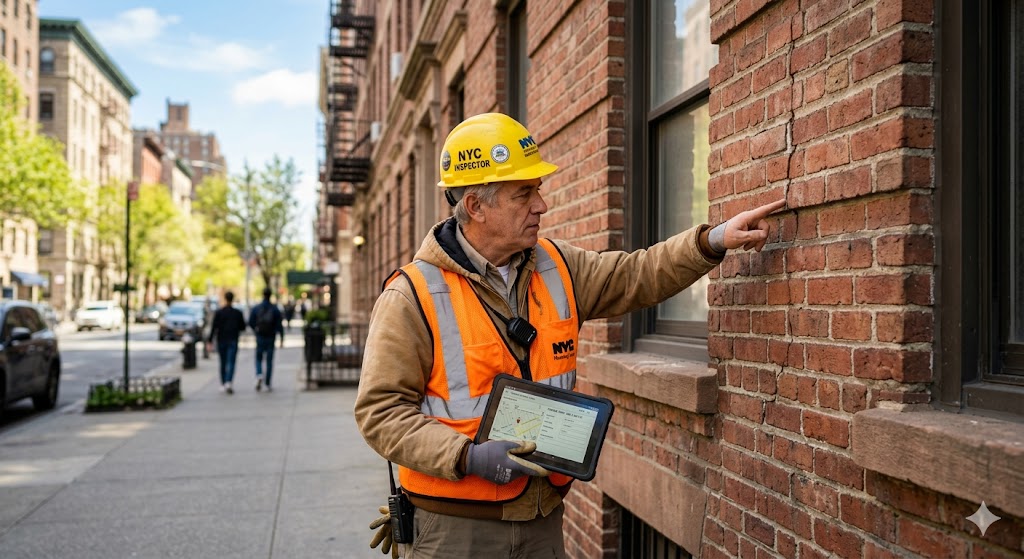
Successful local law compliance NYC managers know that the city operates on strict, cyclical deadlines. For example, Facade Inspection and Safety Program (FISP), historically known as Local Law 11, requires detailed exterior inspections every five years. If you wait until the end of your filing window to realize you need masonry repairs, every reputable contractor will already be booked.
The same applies to boiler inspections, elevator upgrades, and Local Law 152 gas piping checks. When you treat these mandates as predictable calendar events rather than surprise emergencies, you regain control over your operational budget.
How to Prepare for Necessary Corrections
The secret to stress-free property management is establishing a relationship with a construction partner long before a deadline approaches. A seasoned property manager construction NYC team will help you conduct mock inspections months in advance of your official filing dates.
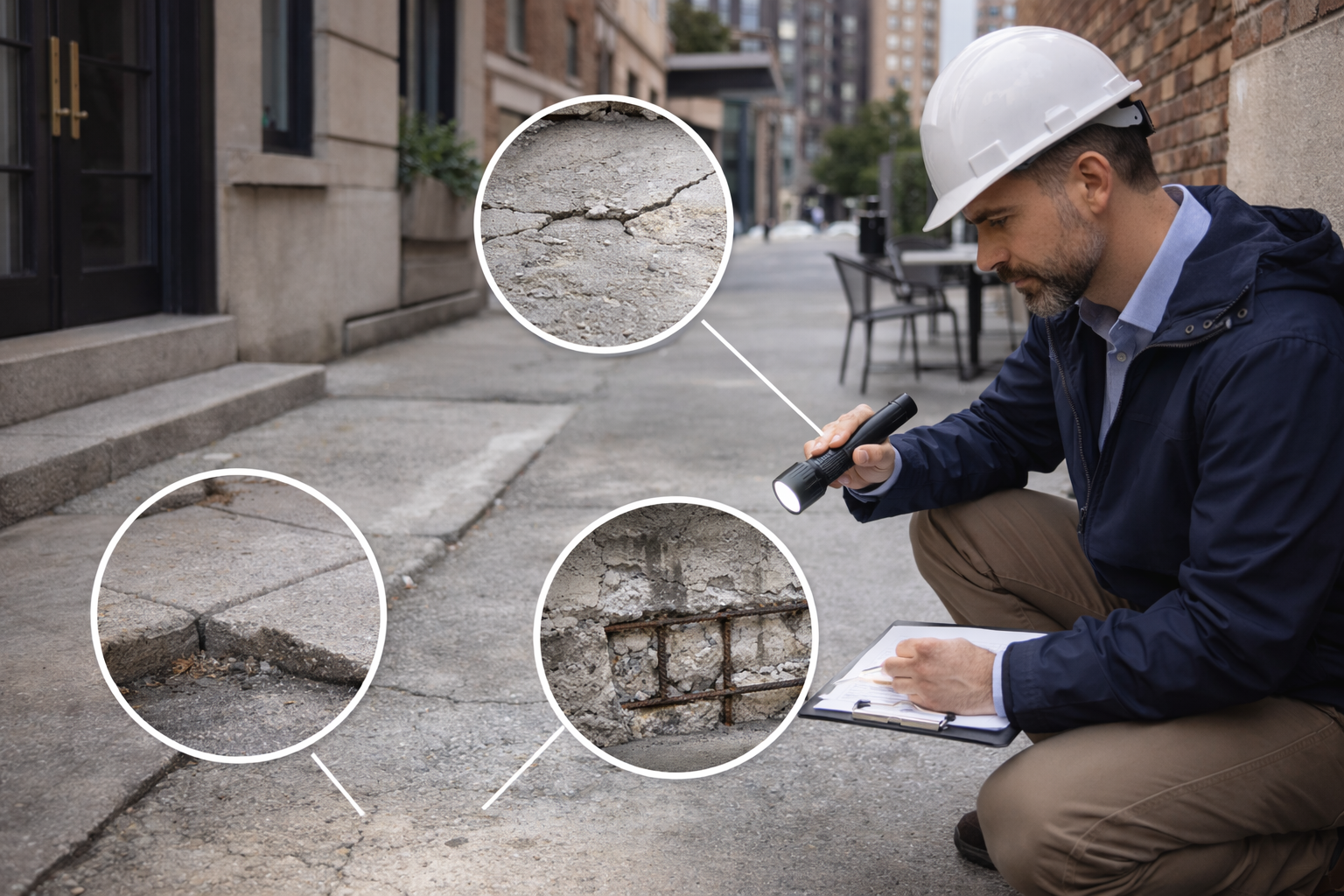
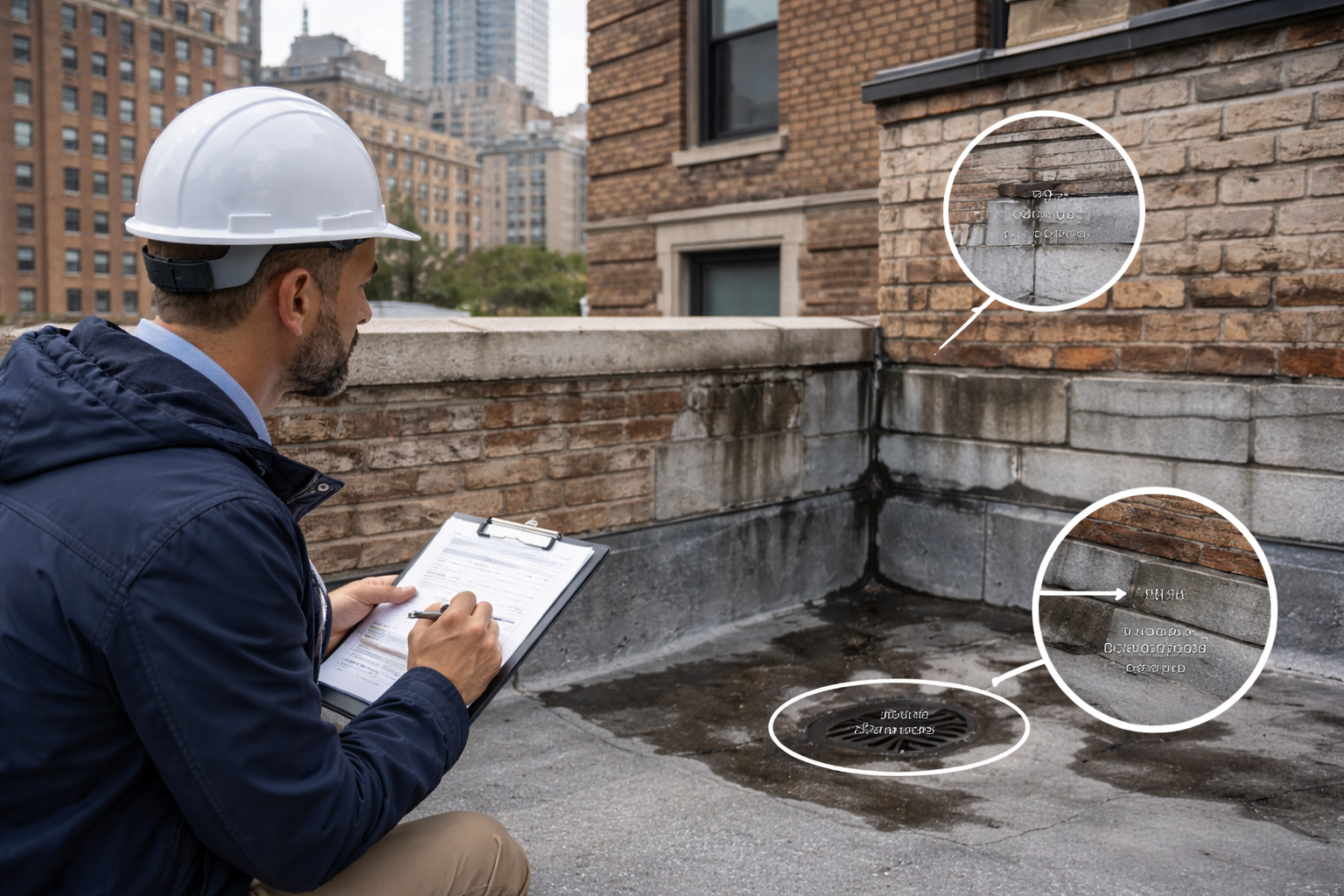
When we walk a property with a client, we are looking for the exact same things a city inspector will flag. If we spot spalling bricks, inadequate fire stopping, or outdated mechanical rooms, we can schedule the work during the off-season. Planning your building compliance repairs NYC projects proactively means we can source materials at better prices, sequence the work to minimize tenant disruption, and file all necessary permits without the pressure of an impending fine.
The CHK Construction Partnership Approach
At CHK Construction, we do not just swing hammers; we solve problems. We understand that compliance in New York City is an administrative hurdle as much as it is a physical construction project.
When you partner with us, we handle the entire lifecycle of the correction process. We execute the physical repairs to the highest structural standards, and we ensure that the corresponding Certificates of Correction are properly documented, notarized, and submitted to the Administrative Enforcement Unit. Our goal is to make sure your building is not only safe but legally recognized as compliant, allowing you to focus on managing your property instead of fighting the city bureaucracy.
FAQ
What happens if I ignore a DOB violation in NYC?
Ignoring a Department of Buildings violation is incredibly risky. If you fail to correct the condition and do not submit a Certificate of Correction, you will face escalating financial penalties. Furthermore, if you miss your scheduled Environmental Control Board (ECB) hearing, you can face default penalties of up to $25,000. Unresolved violations will also remain on your property’s public record in the Buildings Information System (BIS).
How do I remove a DOB violation from my property record?
To remove a violation, you must first physically correct the unsafe or non-compliant condition. Then, you or your contractor must submit a Certificate of Correction (Form AEU-2) to the Administrative Enforcement Unit. You must include notarized proof, such as photographs and contractor invoices, proving the work was completed. Finally, any outstanding civil penalties or fines associated with the violation must be paid in full.
What are the most common DOB violations for NYC buildings?
For commercial buildings, co-ops, and condos, the most frequent violations involve a failure to file required cyclical inspection reports. This includes late or missing FISP (Facade) filings, expired boiler inspection certificates, lack of elevator compliance, and missing Local Law 152 gas piping inspection reports. Work without a permit is also a highly common and heavily fined violation.
Can a DOB violation stop me from selling or refinancing my property?
Yes. Open DOB violations act as a cloud on your property’s title. When a buyer’s attorney or a lending institution runs a title search, open violations will instantly appear. Lenders will typically refuse to finance or refinance a building with unresolved safety violations, and buyers will either walk away or demand a significant price reduction to cover the assumed risk and fines.
Conclusion: Taking Control of Your Building’s Future
Compliance does not have to be a source of constant anxiety. By understanding the rhythms of New York City’s local laws and refusing to wait until the last minute, you protect your property from exorbitant fines and structural decline.
You need a partner who understands the intersection of high-quality construction and strict municipal code. At CHK Construction, we specialize in helping property managers navigate this complex landscape with confidence and ease. We invite you to visit our website today. Let us review your upcoming compliance deadlines together and build a proactive strategy that keeps your building safe, legal, and profitable.