If you’ve driven through Long Island City, Astoria, or Sunnyside lately, you’ve seen the “bones” of old New York. Massive brick warehouses and industrial shells that once housed manufacturing hubs are now sitting on some of the most valuable real estate in the world.
At CHK Construction, we’re seeing a massive shift in 2026. Savvy developers aren’t tearing these buildings down anymore, they’re leaning into adaptive reuse. As a lead contractor in the NYC commercial renovation space, I can tell you that converting a warehouse into a Class-A office isn’t just a design trend; it’s a strategic financial play.
Here’s why adaptive reuse is the smartest way to rebuild Queens, and how we handle the “industrial-to-innovative” transition.
The ROI of “Character”: Why Queens is the Hub?
Why are we seeing such a spike in commercial renovation in NYC specifically for industrial conversions? It comes down to three things:
- Speed to Market: Building from the ground up in NYC means years of entitlements and zoning hurdles. With adaptive reuse, the shell is already there. We can often cut the project timeline by 4–6 months, allowing you to start generating rent sooner.
- Unbeatable Aesthetics: You can’t replicate 15-foot ceilings, exposed timber beams, and oversized steel-frame windows in new construction without spending a fortune. Modern tech and creative firms in Queens crave this aesthetic.
- Sustainability Metrics: In 2026, ESG (Environmental, Social, and Governance) goals are huge for corporate tenants. Reusing an existing structure can save up to 75% of the embodied carbon compared to a new build.
Navigating the “Hidden” Challenges
Converting a warehouse isn’t as simple as sandblasting the brick and adding desks. There is a science to making an old industrial giant fit for modern work.
The HVAC & Power Puzzle
Warehouses were designed to keep things dry, not to keep 200 people comfortable while they run high-end servers. We specialize in retrofitting energy-efficient VRF (Variable Refrigerant Flow) systems into high-ceiling spaces, ensuring your “industrial” office doesn’t have an “industrial” electric bill.
Compliance & Incentives
This is where we really earn our keep as adaptive reuse contractors. We guide our clients through:
- ICAP (Industrial and Commercial Abatement Program): This can provide property tax abatements for up to 25 years for industrial properties undergoing renovation.
- Local Law 97: We ensure your conversion meets NYC’s strict carbon emissions limits, protecting you from future fines.
- ADA Accessibility: Converting loading docks into accessible entrances and installing elevators in old freight shafts requires a surgical touch.
FAQs
How much does it cost to convert a warehouse into an office in NYC?
In 2026, high-end commercial warehouse conversions in NYC typically range from $350 to $650 per square foot. While this is a significant investment, it is often 20% cheaper than ground-up Class-A construction, especially when factoring in the existing structural value.
What is the “Industrial and Commercial Abatement Program” (ICAP)?
ICAP is a tax incentive for property owners who build, modernize, or expand industrial or commercial buildings in NYC. For warehouse conversions in many parts of Queens, this can result in a significant reduction in property taxes for decades, drastically improving your ROI.
Is adaptive reuse more sustainable than new construction?
Absolutely. Reusing the “embodied carbon” of the existing concrete and steel is the most sustainable choice a developer can make. Most adaptive reuse projects also qualify for higher LEED certification points because they minimize demolition waste.
What are the biggest risks in a warehouse conversion?
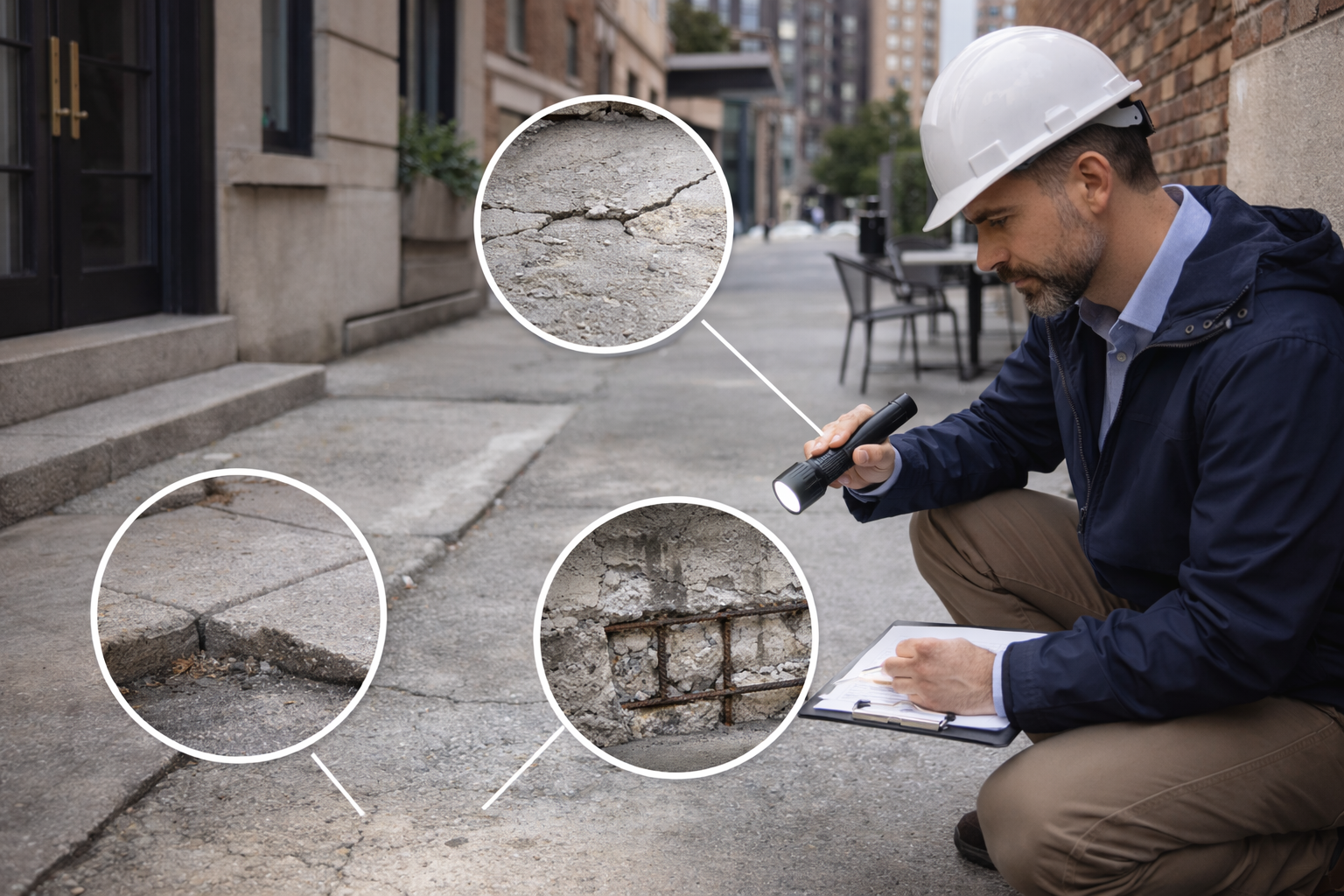
The “unknowns” are the biggest risks, such as soil contamination, outdated plumbing, or structural fatigue. That’s why we perform a forensic site audit before any contracts are signed to ensure the building’s skeleton can handle the new load.
Reimaging the Industrial Waterfront
The future of Queens isn’t just about high-rises; it’s about the thoughtful evolution of our historic neighborhoods. If you have an asset that’s currently underperforming as a storage space, it might be time to see it as the next great NYC headquarters.
Ready to see the potential in your property? Consult with CHK Construction on Your Adaptive Reuse Project NYC Licensed | Expert in Commercial Conversions & Tax Incentives