If you own property in Long Island City or along the Jersey City waterfront, you aren’t just dealing with rain, you’re dealing with the Atlantic Ocean’s persistent “neighborhood watch.”
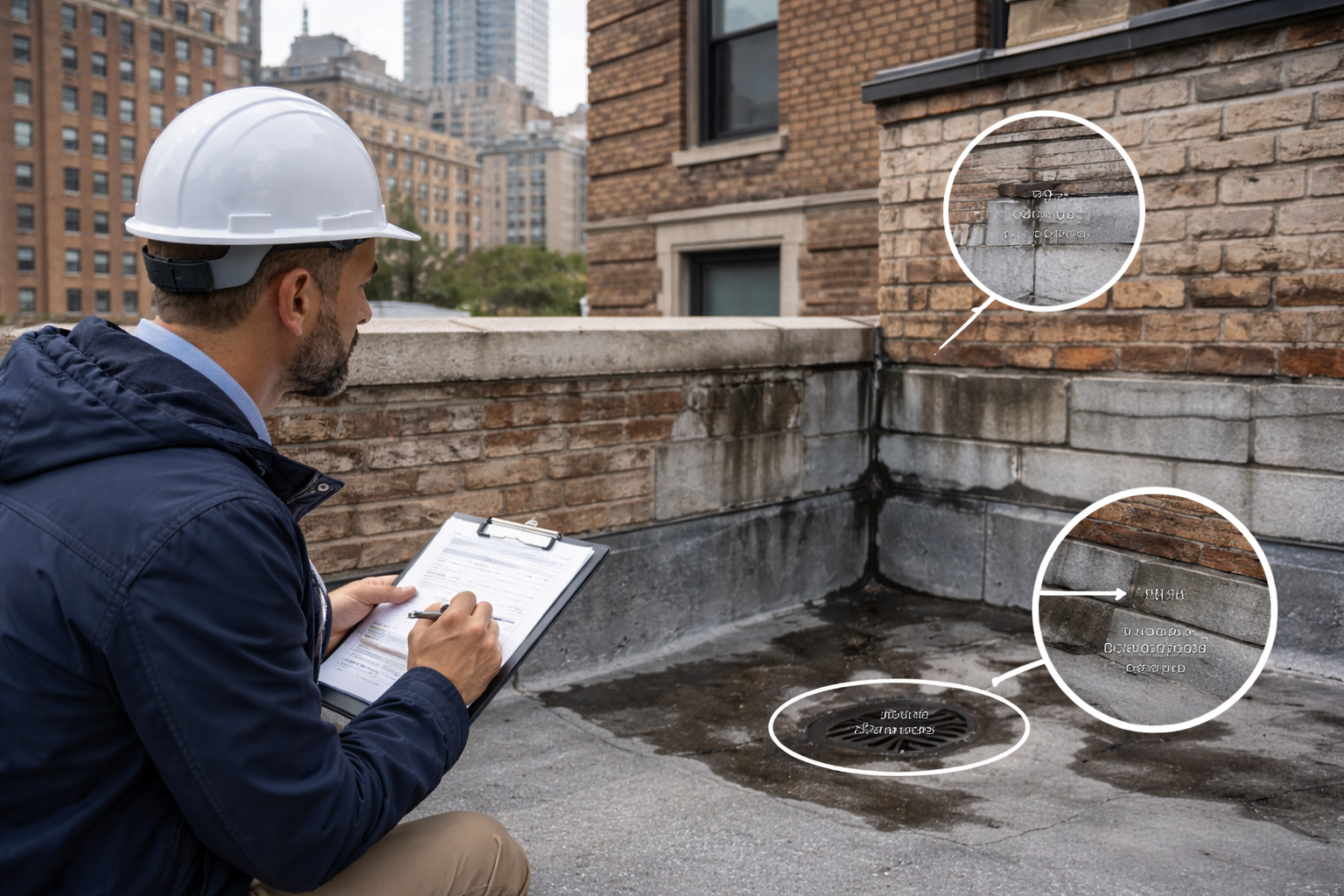
I’m the lead at CHK Construction, and I’ve spent years in the trenches (literally) of New York’s most challenging terrains. In areas like LIC or coastal NJ, the “water table,” the level where the ground is permanently saturated, is often just a few feet below the sidewalk. This creates a massive amount of hydrostatic pressure, where the water outside is actively trying to push its way through your foundation like a slow-motion fire hose.
Standard “damp-proofing” won’t cut it here. To keep a NYC basement truly bone-dry, you need a system that respects the laws of physics.
Why NYC Basements Fail: The “Bathyscape” Effect
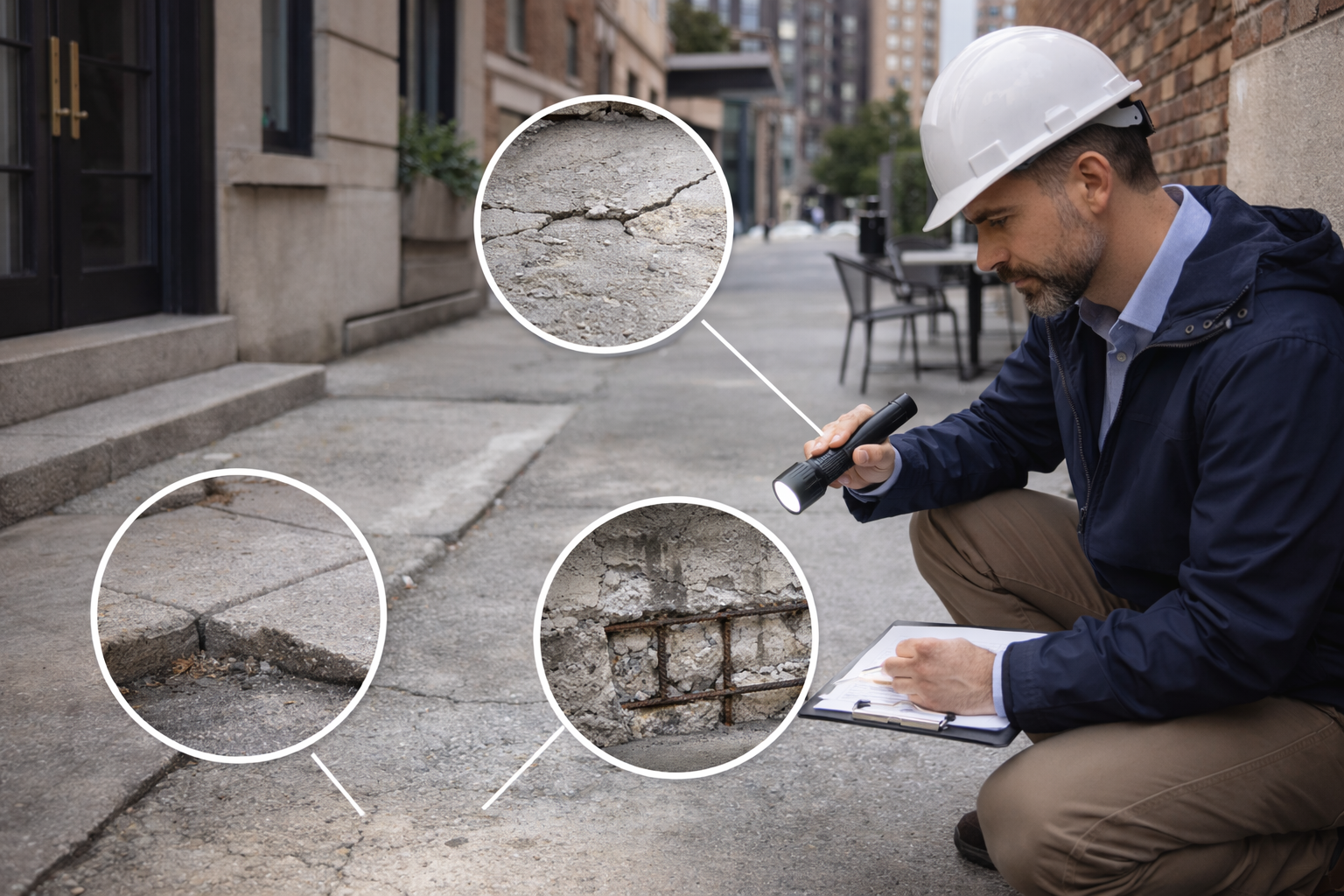
Think of your basement like the hull of a ship. In high-water-table areas, your foundation is essentially submerged. Traditional concrete, while strong, is porous. Under pressure, water molecules are forced through the microscopic capillaries of the concrete, leading to that familiar musty smell, efflorescence (white powder), or outright flooding.
The CHK Strategy for High Water Tables
When we design dry basement systems for coastal or low-lying areas, we use a multi-layered approach that attacks the problem from both sides of the wall.
1. Negative-Side Crystallization
In many NYC buildings, we can’t always dig up the sidewalk to get to the outside of the wall. In these cases, we utilize crystalline waterproofing. We apply a specialized chemical treatment to the interior concrete that penetrates deep into the pores. When it meets moisture, it grows millions of microscopic needle-like crystals that plug the “pores” of the concrete from the inside out.
2. Sub-Floor Pressure Relief (The French Drain 2.0)
If the water table is pushing up through your floor, you can’t just seal it, the pressure will eventually crack the slab. We install internal perimeter drainage systems that sit beneath the floor level. This “tricks” the water into a controlled channel, leading it to a high-capacity submersible sump pump with a battery backup. We aren’t just stopping the water; we’re giving it a path of least resistance that isn’t your carpet.
3. Bentonite “Self-Healing” Membranes
For new construction or sites where excavation is possible, we use Bentonite clay membranes. Bentonite is a natural volcanic clay that expands when wet. If the foundation settles and a tiny crack forms, the clay expands into the gap, effectively “self-healing” the leak before it ever reaches your basement.
FAQs
How do you waterproof a basement with a high water table?
The most effective method is a combination of an interior drainage system (to relieve hydrostatic pressure) and a heavy-duty sump pump. For the walls, we use vapor barriers or crystalline sealants that can withstand high PSI water pressure.
Can I stop water from coming up through my basement floor?
Yes, but you shouldn’t just “seal” it with paint. You must install a sub-floor drainage system (like an interior French drain) to manage the pressure. If you try to block the water without giving it somewhere to go, it will eventually find a new, more destructive way into your home.
Is foundation waterproofing different in coastal NJ vs. NYC?
The physics are the same, but the soil composition varies. Coastal NJ often has sandy soil that moves water quickly, while LIC and Brooklyn often have dense “NYC Blue Clay” that traps water against your foundation. CHK Construction tailors the drainage aggregate (the stone we use) to match the local soil type.
How long does a dry basement system last?
A professionally installed system with high-grade membranes and a cast-iron sump pump should last the lifetime of the structure. We recommend an annual “sump pump physical” to ensure the mechanical parts are ready for the next Nor’easter.
Don’t Let the Tide Win
In New York City, basement square footage is far too valuable to lose to a high water table. Whether you’re dealing with a damp brownstone in Hoboken or a commercial basement in Astoria, we have the engineering expertise to turn a “wet locker” into a dry, usable space.
Is your foundation under pressure? Get a Professional Waterproofing Audit from CHK Construction Specializing in High-Pressure & Below-Grade Solutions.