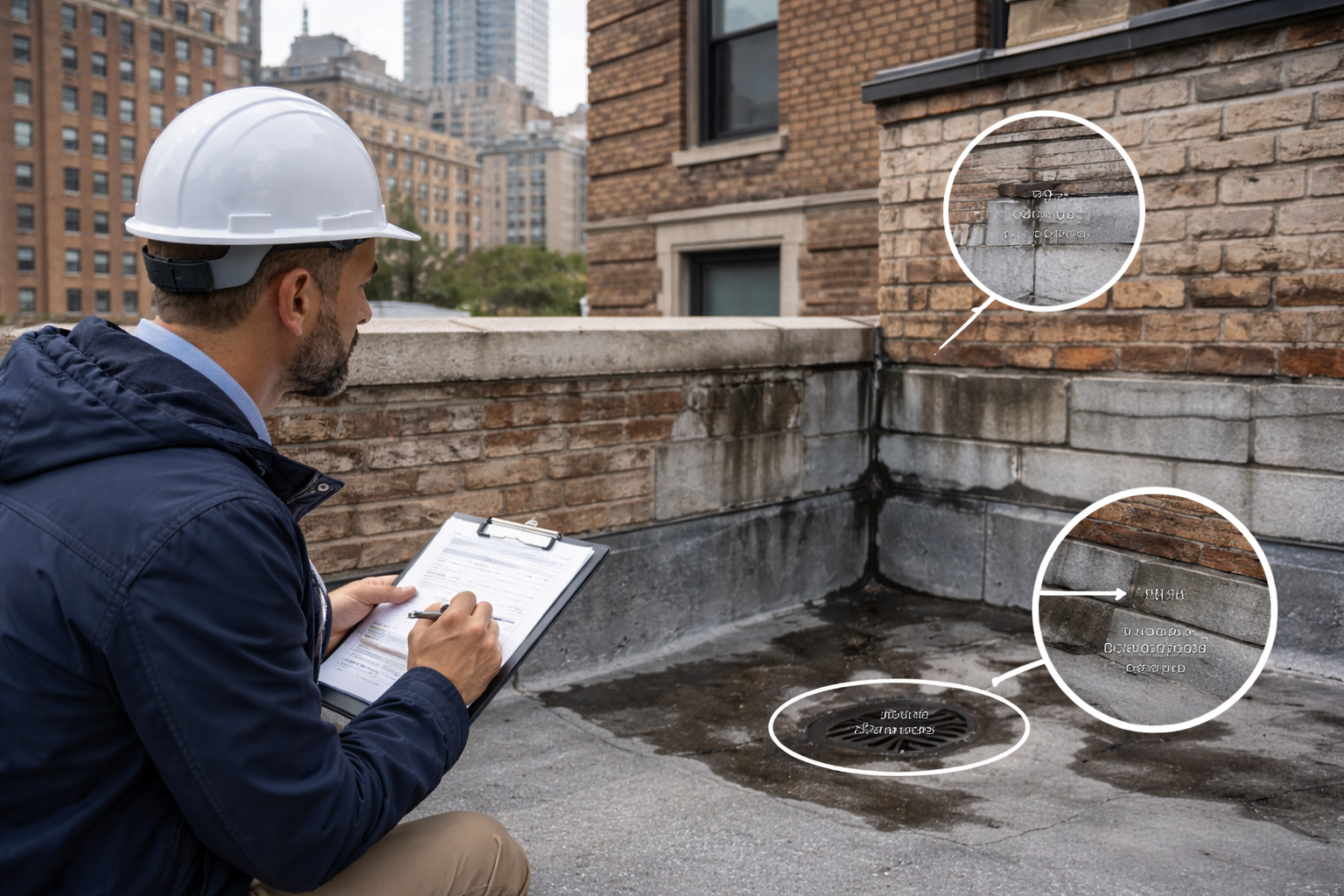
For property managers and building owners across the Tri-State Area (New York, New Jersey, and Connecticut), the commercial flat roof represents one of the largest and most critical assets. Unlike pitched roofs, flat roofing systems face unique challenges due to the complexity of their slope and drainage, which makes them highly vulnerable to water pooling and the region’s relentless freeze-thaw cycles.1
Proactive, seasonal care is not just about extending the operational life of your roof; it is a non-negotiable step required to maintain stringent warranty agreements and avoid costly structural damage.1
This essential guide outlines the annual schedule and critical actions required for commercial roof maintenance Tri-State, transforming your approach from reactive repair to intelligent flat roof preventative maintenance.
In This Essential Compliance Guide, You Will Learn:
- The Flat Roof Vulnerability: Why the drainage complexity of flat roofs demands a specific, custom-tailored maintenance approach.1
- The True Cost of Neglect: How regular roof inspections and cleaning are essential for ensuring compliance with often-strict warranty agreements.1
- Winterization Checklist (The Critical Fall Steps): Your mandatory tasks for preparing commercial roofs and gutter systems to survive the Tri-State winter.1
- Spring Readiness (The Post-Winter Inspection): How to detect hidden wind and frost damage that can lead to catastrophic summer leaks.2
- Preventing Water Damage: Critical tips for addressing small cracks, improving site drainage, and avoiding common pitfalls like over-salting near roof edges.2
- Partnering for Longevity: How to develop a custom-tailored maintenance plan that extends the life of your commercial asset.1
I. Why Flat Roofs Demand Specialized, Year-Round Attention
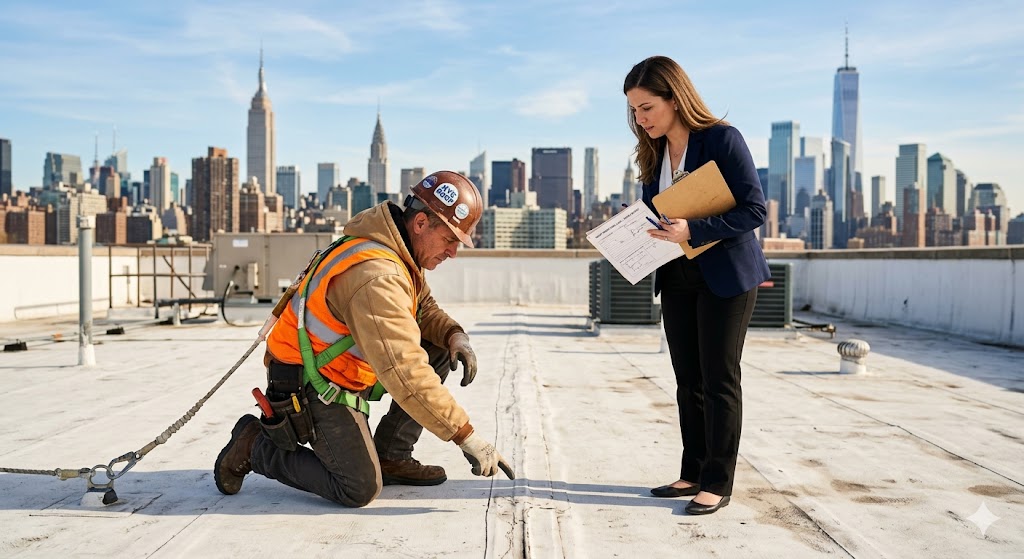
Flat roofs, common on commercial and industrial buildings throughout the dense urban cores of NYC and the surrounding Tri-State counties (including Bergen, Westchester, and Fairfield), operate under a different set of engineering challenges than sloped systems.
Because flat roofs lack the natural runoff capacity of pitched roofs, they are highly dependent on meticulously maintained drainage systems (gutters, scuppers, and drains) to prevent ponding.4 This inherent complexity means a small blockage or defect can quickly escalate into a major structural problem:
- Water Infiltration: Standing water stresses the waterproofing membrane, leading to faster deterioration and the potential for water to seep into the structure, causing mold and rust.5
- Wind Uplift: Commercial flat roofs must endure intense pressure, particularly against wind uplift during regional storms. Any existing defect in the membrane can be exacerbated by high-velocity wind, turning a small issue into a large-scale repair.4
By implementing flat roof preventative maintenance, you proactively manage these risks, saving money down the road on unexpected repairs or full replacements.1
II. The Tri-State Commercial Roof Maintenance Calendar
Your maintenance schedule must align with the seasonal shifts in the Tri-State region, with focused efforts during the transition from fall to winter, and winter to spring.
A. Fall / Winterization Checklist (Prep for the Freeze)
The primary goal of fall maintenance is to prepare the roof for months of freezing temperatures, heavy snow load, and ice dams. This is the most crucial time for winterization checklist commercial roof preparation.
| Action Item | Why It Matters for the Tri-State Area |
| Thorough Gutter & Drainage Cleaning 1 | Clear all leaves and debris from gutters and drains. Blocked systems cause water to back up and freeze, leading to massive damage along roof edges and parapet walls. |
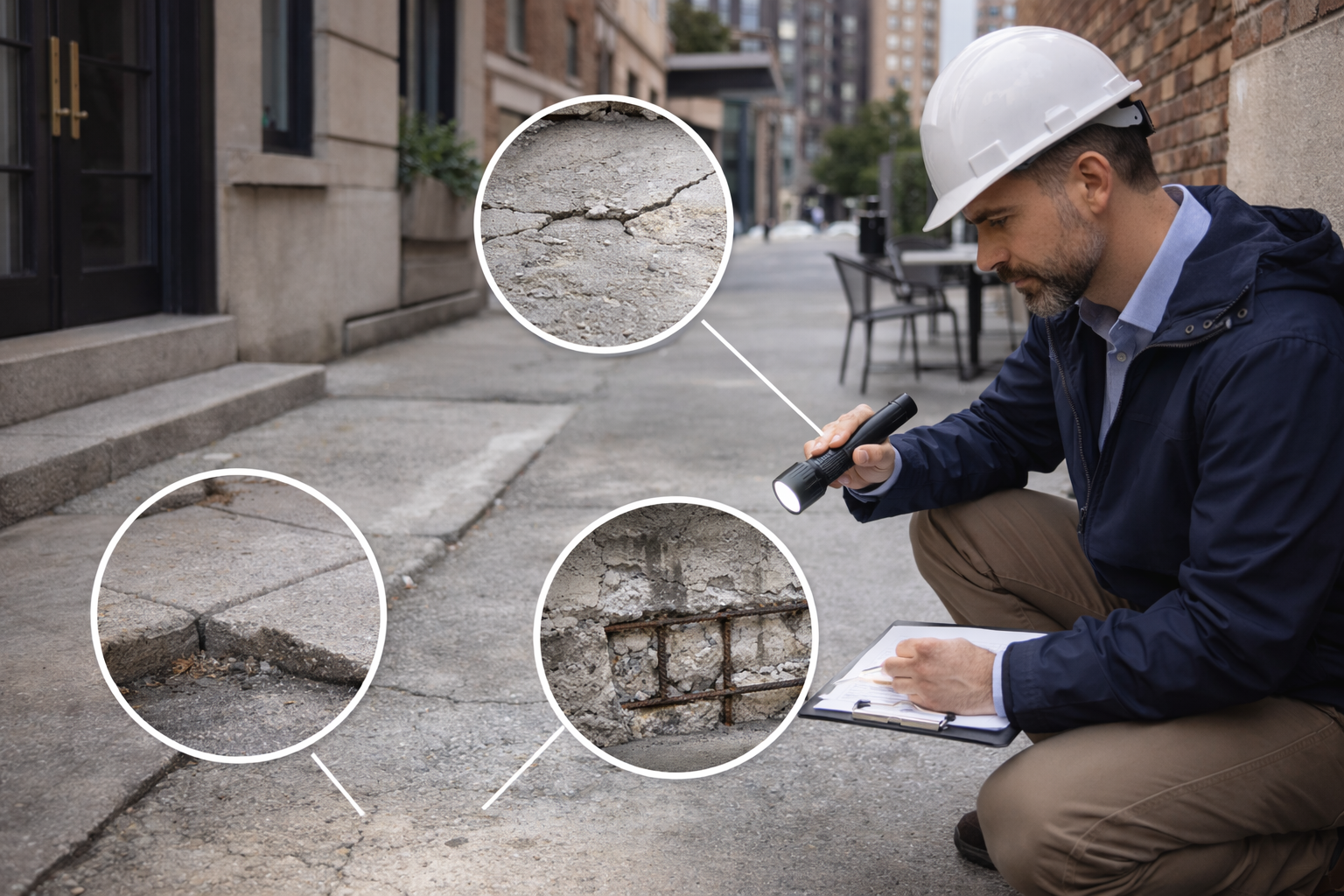
| Inspect Membrane for Cracks and Voids 3 | Small cracks allow water ingress. When that trapped water freezes and expands (the freeze-thaw cycle), the crack widens, causing spalling and scaling of surrounding materials.2 Repair these immediately. |
| Evaluate Flashing Integrity 1 | Check all seams and flashing around penetrations (vents, HVAC units, skylights). These areas are common failure points for wind and water entry. |
| Check De-Icing Practices 2 | Avoid excessive use of de-icing salts near roof edges and walkways. Chemicals can deteriorate the concrete and other surfaces, increasing the likelihood of cracks and brittleness.2 |
B. Spring Readiness Checklist (Post-Freeze Inspection)
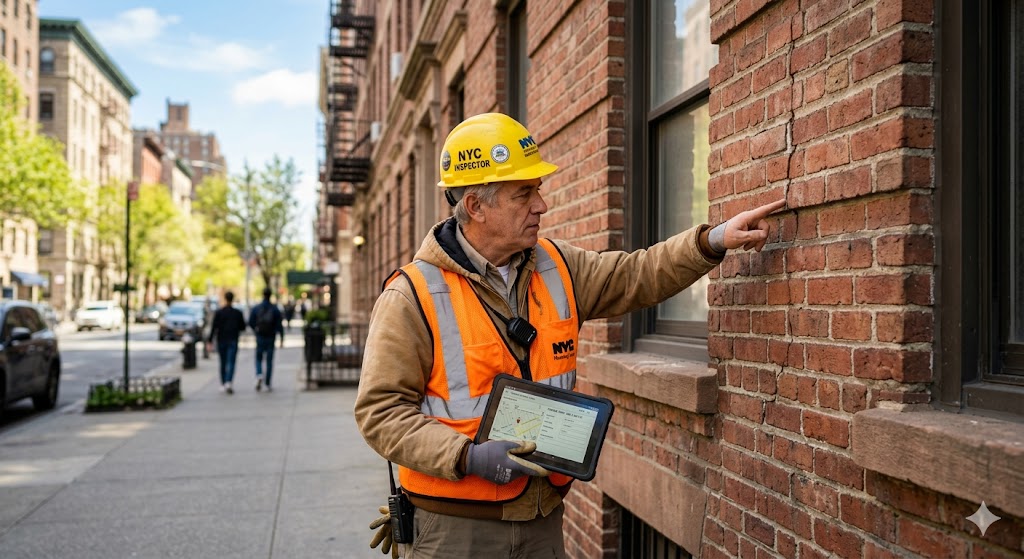
After the winter snow and ice have cleared, a thorough inspection is mandatory to identify damage inflicted by the winter season.
| Action Item | Why It Matters for Asset Protection |
| Full Membrane and Seam Inspection 1 | Check for lifted seams, tears, or bubbles caused by trapped water expanding in freezing temperatures. This is often the first sign of a failure that will lead to major summer leaks. |
| Debris and Water Removal | Clear any accumulated winter debris, dirt, and water ponding. Ensure all drainage systems remain fully functional.2 |
| Ponding Assessment | If water remains on the roof surface 48 hours after rain, it indicates an issue with the slope or drainage that requires immediate technical correction.4 |
| Check for Wind Damage | Look for displaced ballast, detached counter-flashing, or signs of membrane tearing from high wind loads during winter storms.4 |
III. Protecting Your Asset: Why Professional Maintenance is Critical
Routine maintenance should be more than a simple visual check. An expert evaluation process—which includes a thorough inspection, cleaning, and repair process—is the best way to extend the life of your roof and save money on future major repairs or replacements.1
Furthermore, regular roof inspections and documented maintenance are often integral components of your roof warranty.1 Failure to adhere to the required inspection schedule can void the warranty, leaving your firm financially exposed if a major structural defect occurs.
Protect your investment and ensure compliance. CHK Construction is dedicated to providing custom-tailored, affordable commercial roof maintenance Tri-State plans designed to fit your asset’s specific needs and budget, serving property owners in Manhattan, Westchester, Bergen, and surrounding counties.1
Contact us today to develop a specialized, long-term preventative plan for your commercial flat roof asset.