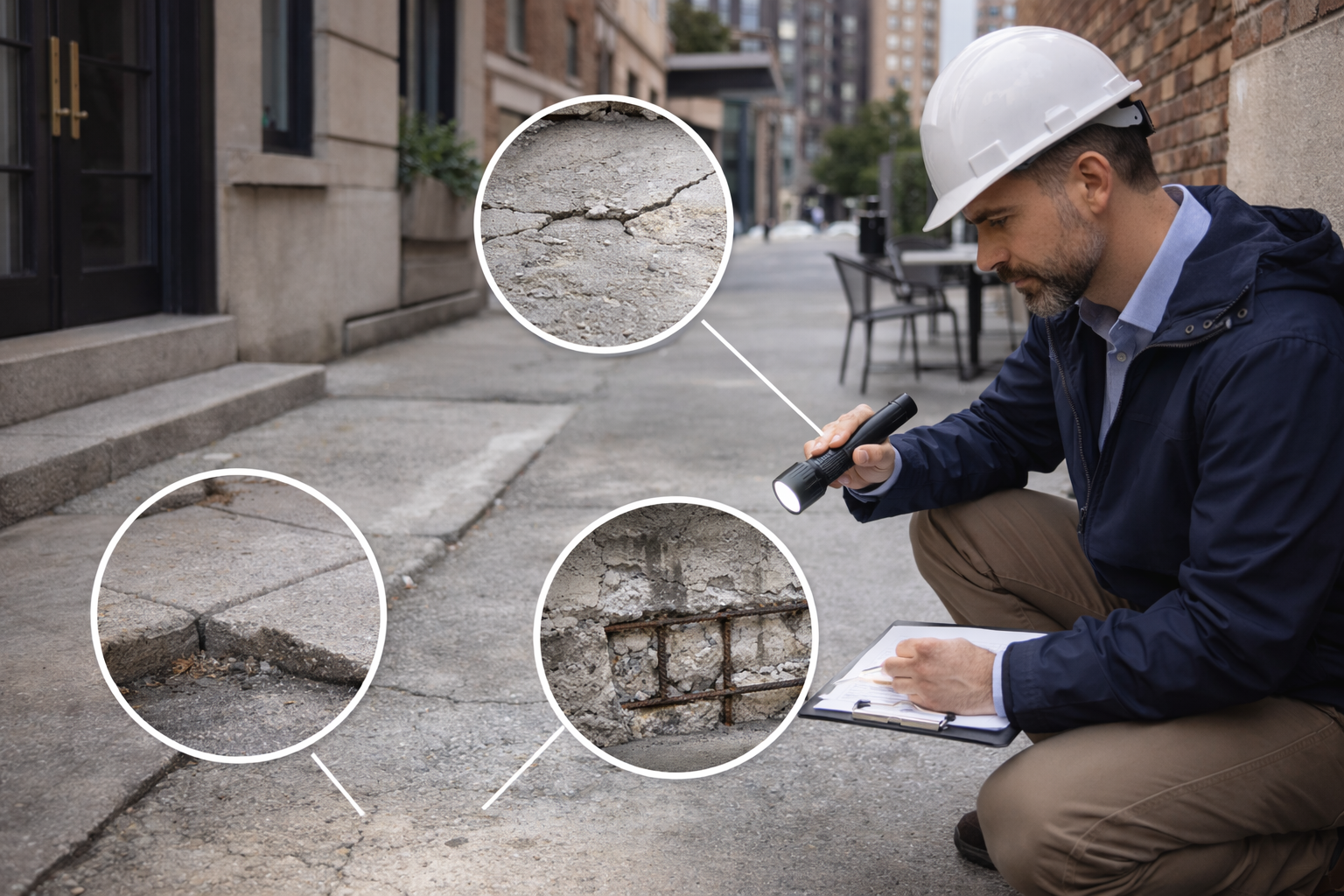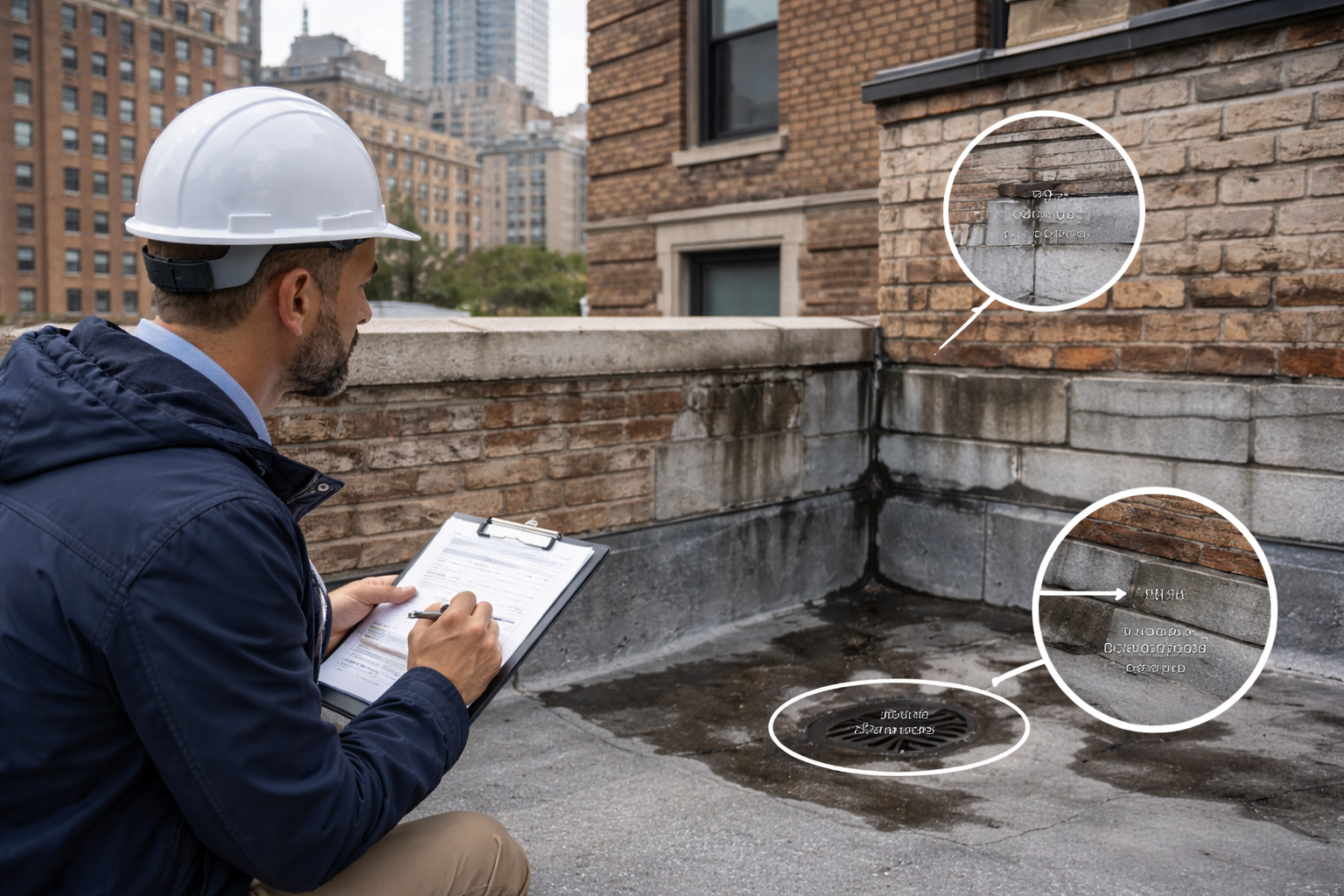
In the high-stakes environment of commercial real estate across the Tri-State Area, water damage remains the leading cause of structural issues, mold, and costly structural repairs. The constant stress from intense seasonal temperature swings, high urban humidity, and structural movement makes traditional waterproofing membranes vulnerable to premature failure.
The solution is no longer about applying a protective layer; it’s about installing a dynamic, adaptive system.
The construction industry is now rapidly embracing advanced membrane technologies that don’t just protect—they actively self-repair. These next-generation, self-healing waterproofing membranes represent a fundamental shift in asset management, promising unparalleled durability and significantly reduced maintenance cycles for commercial and high-end residential structures in NYC, New Jersey, and Connecticut.
In This Essential Technical Guide, You Will Learn:
- The Science of Self-Repair: How embedded polymers automatically seal small cracks and punctures, reducing the need for reactive maintenance.
- Enhanced Durability and Longevity: Why modern membranes are more flexible, easier to install, and designed for a longer operational lifespan than conventional systems.
- The Integration of Smart Technology: How roofing systems are incorporating integrated sensors for real-time monitoring and predictive maintenance, enhancing building performance.
- The Sustainability Advantage: The benefits of using eco-friendly, non-toxic waterproofing products that support modern Green Building Practices.
- Cost Control and Risk Mitigation: How investing in advanced systems reduces the high long-term costs associated with water infiltration and catastrophic failure.
I. The Problem: Urban Water Stress in the Tri-State Region
A commercial roof in the Tri-State Area faces continuous environmental assault:
- Freeze-Thaw Cycling: Water trapped in micro-cracks expands upon freezing, leading to rapid deterioration, spalling, and larger structural defects.
- Structural Movement: Constant vibration from urban traffic and seasonal expansion/contraction stress the membrane seams and flashings.
- UV Degradation: Intense solar exposure breaks down surface materials over time.
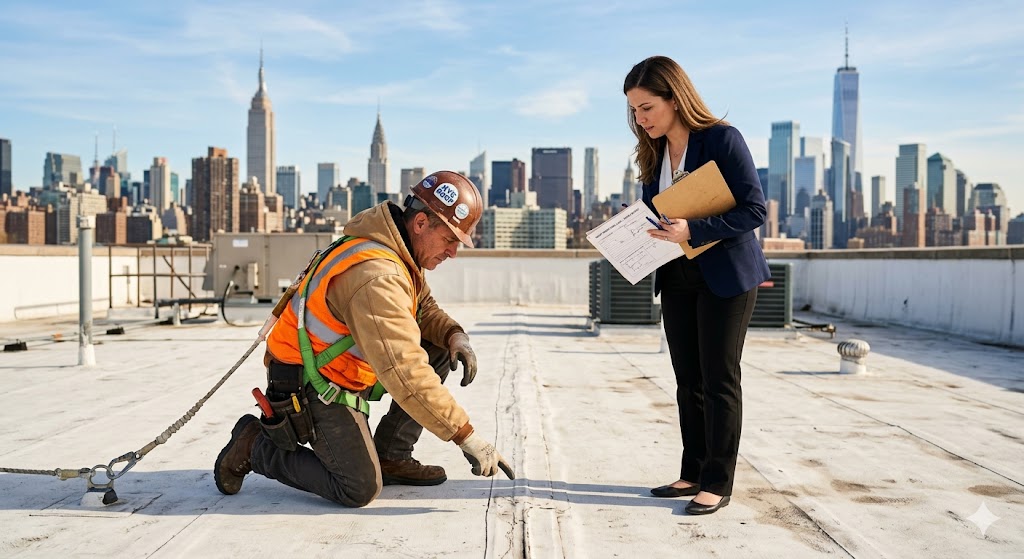
A traditional membrane system is purely passive. Once a small puncture occurs—from foot traffic, falling debris, or structural fatigue—water ingress begins, starting the “leak cycle” that leads to rust, mold, and costly interior damage.
II. The Technological Edge: How Self-Healing Membranes Work
The defining innovation in advanced membrane technologies 2025 is the integration of self-healing capabilities.
A. Automatic Crack Sealing
Modern membrane systems are embedded with specialized polymers or materials that automatically react to damage. When a small crack or puncture occurs:
- The polymers are activated by moisture or exposure to air.
- They expand and flow into the compromised area, effectively sealing the breach and preventing water penetration.
The immediate benefit of this self-repair capability is Enhanced Durability and Long-Lasting Protection against water infiltration. By handling micro-damage autonomously, these systems drastically reduce the need for frequent site inspections and patch repairs, optimizing the long-lasting roof waterproofing strategy for high-value assets.
B. Reduced Maintenance and Installation Efficiency
Beyond durability, advanced membranes offer significant advantages in the installation process. These modern materials are often more flexible and designed for a quicker, more efficient application, which helps reduce installation times and costs for both commercial and residential projects. This efficiency is crucial in dense urban environments where minimizing disruption is paramount.
III. Building for the Future: Beyond Self-Repair
The modern waterproofing revolution extends past just self-healing, incorporating smart technology and sustainability to enhance overall building performance.
A. Smart Systems for Predictive Maintenance
The trend toward holistic facility management is integrating smart roofing systems with embedded sensors directly into the waterproofing membrane.
These sensors provide real-time monitoring of roof conditions, tracking temperature fluctuations, moisture levels, and subtle changes in the membrane. This technological integration enables a truly proactive approach to maintenance, allowing facility managers to address potential issues before they manifest as a leak or structural defect, thereby enhancing building longevity and energy efficiency.
B. The Sustainability Mandate
As owners and developers critically embrace sustainability , the demand for eco-friendly waterproofing materials is rising. Modern solutions utilize non-toxic materials and sustainable manufacturing processes. These options support green building practices and contribute to healthier indoor air quality, aligning your project with growing environmental, social, and governance (ESG) standards.
Conclusion: A Strategic Investment in Longevity
For commercial property managers in the Tri-State Area, selecting a waterproofing solution is a long-term risk mitigation strategy. By choosing self-healing waterproofing membranes and leveraging advanced systems, you secure a decisive advantage: you lower lifetime ownership costs, maintain strict regulatory compliance, and guarantee superior, long-lasting protection against the region’s harsh elements.
Invest in the future of your commercial asset. Contact CHK Construction today to discuss integrating advanced membrane technologies into your next waterproofing or roofing project.