In New York City, a Department of Buildings (DOB) violation notice isn’t just a piece of paper—it’s a ticking financial clock. Whether it’s a Class 1 “Immediate Hazard” or a bureaucratic headache regarding expired sidewalk shed permits, the stress is the same.
I’ve seen property owners paralyzed by the complexity of the BIS (Buildings Information System) and the looming threat of Environmental Control Board (ECB) fines that can soar past $25,000.
At CHK Construction, we don’t just “fix” buildings; we navigate the system. Here is a look at a recent case where we took a multi-family property in Brooklyn from “Open Violation” to “Dismissed” in exactly 30 days.
The Challenge: A Failed Inspection and an Expired Shed
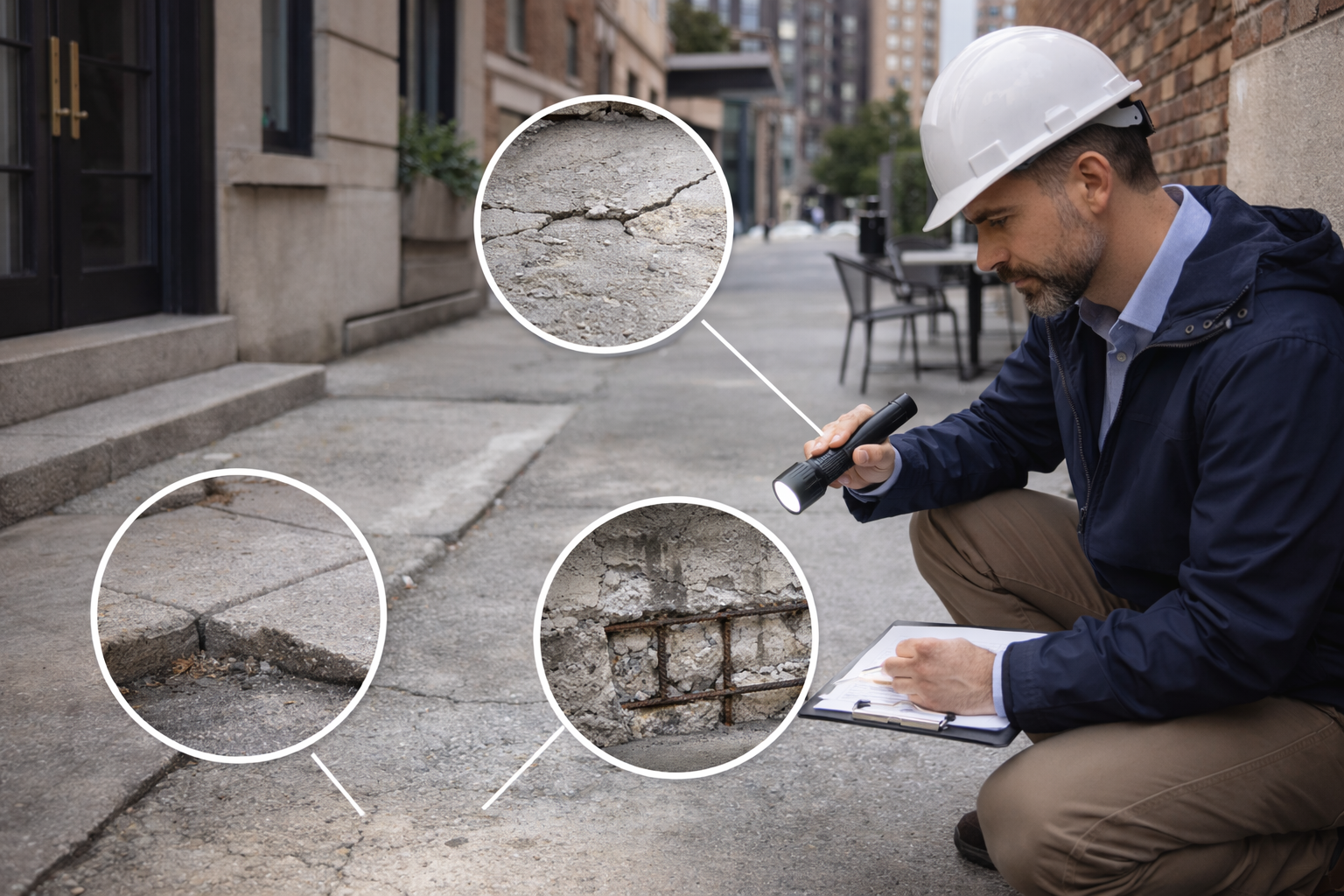
Our client received a double-whammy: a violation for a deteriorating facade and a secondary penalty for an unpermitted, non-compliant sidewalk shed that had been sitting idle for months. The owner was facing stop-work orders and mounting daily penalties.
The CHK 30-Day Strategy
Week 1: Diagnostics and Permitting (Days 1–7)
The biggest mistake owners make is fixing the physical problem without the right paperwork.
- Day 1: We performed a forensic review of the violation on the DOB NOW portal.
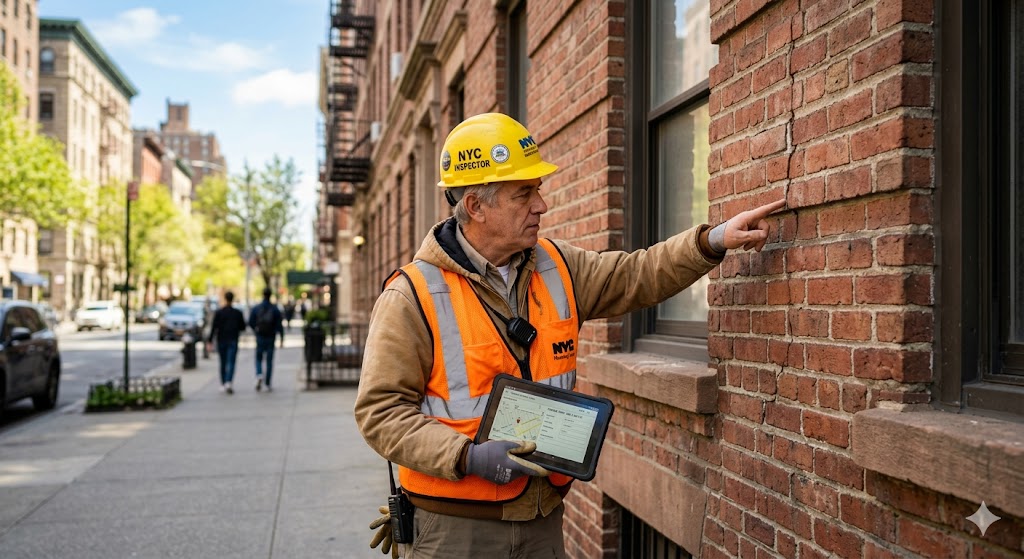
- Day 3: Our engineers conducted a site safety inspection. We identified that the existing sidewalk shed didn’t meet NYC Building Code §3307 standards for lighting and deck strength.
- Day 5: We filed for a new sidewalk shed permit. Because we handle our own filings, we ensured the insurance and site safety plans were airtight, avoiding the “Return for Correction” loop that wastes weeks.
Week 2: Physical Remediation (Days 8–14)
- Day 8: Our crew arrived at 7:00 AM. We dismantled the illegal structure and erected a code-compliant sidewalk shed.
- Day 10: With the shed providing the required pedestrian protection, we began the facade repairs cited in the violation.
Week 3: Professional Sign-Off (Days 15–21)
Once the masonry was restored and the shed was verified as safe, we didn’t wait for a city inspector to find us. We had our Registered Design Professional (RDP) inspect the work. In NYC, having a pro sign-off on the Certificate of Correction is the fastest way to bridge the gap between “Work Done” and “Violation Removed.”
Week 4: Filing and Dismissal (Days 22–30)
- Day 23: We submitted Form AEU-2 (Certificate of Correction) along with a notarized statement, before-and-after photos, and proof of permit payment.
- Day 30: We received the official “Dismissed” status in the BIS portal. The owner avoided the OATH hearing and stopped the daily $1,000 fines in their tracks.
Why a “Paperwork Fix” Isn’t Enough?
Many contractors can lay brick or put up a fence. Very few understand how to talk to the Administrative Enforcement Unit (AEU).
When you hire us for NYC DOB violation removal, you’re paying for a dual-track service:
- Field Expertise: Certified crews who know Chapter 33 safety requirements like the back of their hand.
- Back-Office Mastery: Filing experts who know exactly which “proof of compliance” will satisfy a skeptical inspector.
FAQs
How long does it take to remove a DOB violation in NYC?
While simple administrative issues can be resolved in weeks, structural violations typically take 30 to 90 days. The timeline depends heavily on how quickly you can secure sidewalk shed permits and submit an acceptable Certificate of Correction to the AEU.
What is the penalty for an expired sidewalk shed permit?
The NYC DOB takes pedestrian safety seriously. Fines for an unpermitted or expired shed can reach up to $8,000 per violation, plus additional monthly penalties for failure to comply with the initial order to remove or permit the structure.
Do I have to go to court for an ECB violation?
Not necessarily. If you file a Certificate of Correction and it is accepted before your scheduled OATH hearing date (the “Cure Date”), you can often avoid the hearing and reduce your fines. This is a core part of our strategy at CHK Construction.
How can I check if my building has open DOB violations?
You can search your building’s address on the NYC Buildings Information System (BIS) or the DOB NOW: Public Portal. Open violations will be listed clearly; once dismissed, they will appear with an asterisk.
Let’s Clear Your Title
An open violation is more than a fine—it’s a cloud on your property title that prevents selling or refinancing. If you’re looking at a notice right now, don’t wait for the “Cure Date” to pass.
Want a free violation review? Contact CHK Construction Today. We handle the permits, the repairs, and the city—so you don’t have to.