If you own or manage a building in NYC taller than six stories, you’ve likely seen the acronym FISP more than a few times. But as we move into 2026, the stakes for the “Façade Inspection Safety Program” are higher than ever. With the city tightening enforcement and penalties reaching an all-time high, waiting for your filing window to open is no longer a viable strategy.
At CHK Construction Corp, we’ve seen how a few cracked bricks can turn into a $17,000-a-year headache if you aren’t prepared. Here is the ground-level truth about what FISP Cycle 10 means for your property and how to stay ahead of the Department of Buildings (DOB).
What Exactly is FISP Cycle 10?
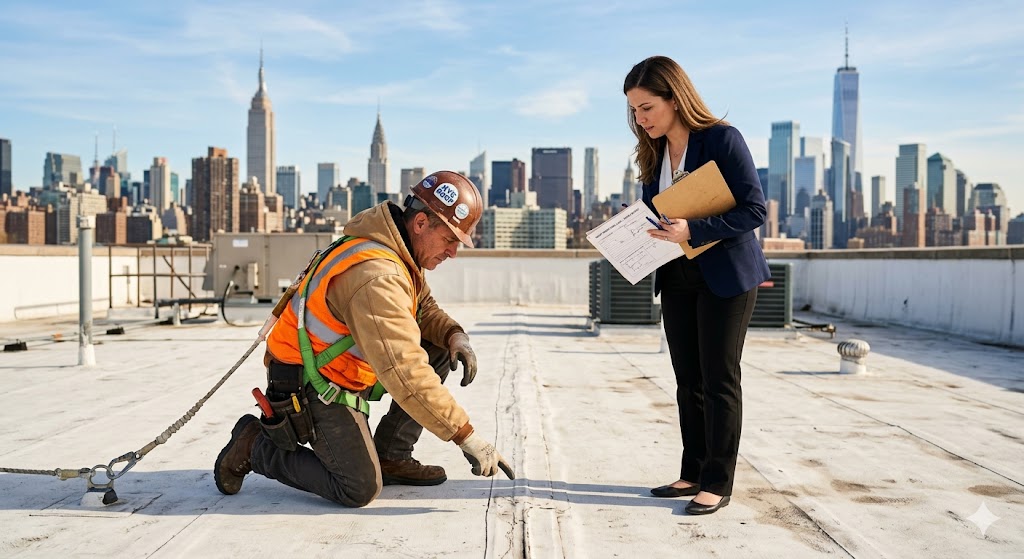
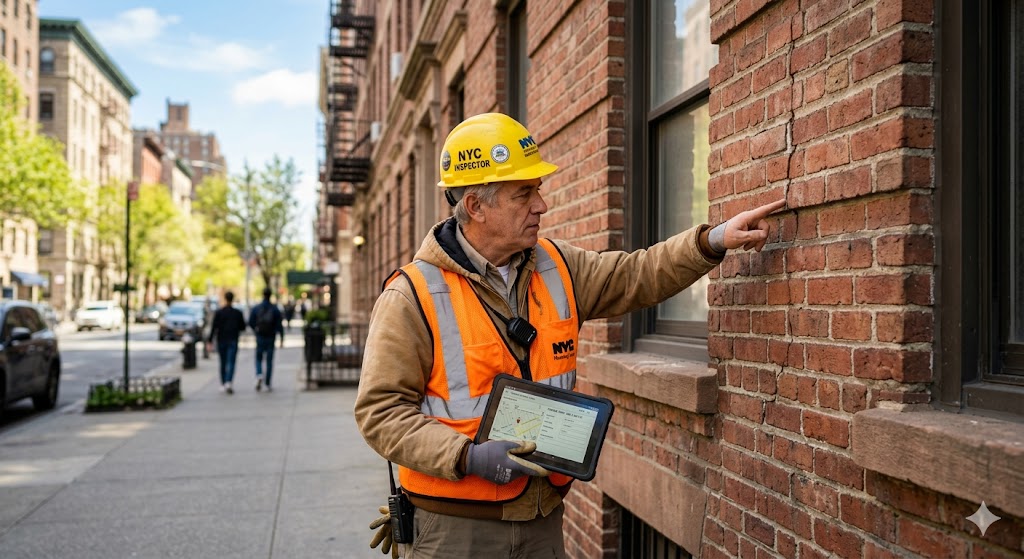
To put it simply, FISP is the city’s mandatory “physical exam” for tall buildings. Every five years, you are required to have a licensed professional, a Qualified Exterior Wall Inspector (QEWI), examine your facade to ensure nothing is at risk of falling onto the sidewalk.
Cycle 10 is the current five-year window that officially kicked off on February 21, 2025. Depending on the last digit of your building’s block number, your filing deadline falls into one of three sub-cycles:
- Sub-cycle 10A (Blocks ending in 4, 5, 6, 9): Feb 21, 2025 – Feb 21, 2027
- Sub-cycle 10B (Blocks ending in 0, 7, 8): Feb 21, 2026 – Feb 21, 2028
- Sub-cycle 10C (Blocks ending in 1, 2, 3): Feb 21, 2027 – Feb 21, 2029
Why Do We Have These Laws?
These rules aren’t just red tape; they are written in blood. Before 1980, NYC had no formal facade laws. That changed after a piece of terra cotta fell from a building and tragically killed a university student named Grace Gold.
This led to Local Law 10, which later became the much stricter Local Law 11, and is now known as FISP. Over the years, the city shifted from “binoculars-only” inspections to the current mandate: a QEWI must get up on a scaffold and physically touch the building. If they find a hollow spot in the masonry or a rusted anchor, you need to know before the city does.
The “Amnesty” Opportunity: What if You Missed Cycle 9?
We meet many owners who, for various reasons, missed their Cycle 9 filing. In the past, this meant being stuck in “compliance limbo,” racking up $1,000 monthly fines and $5,000 annual penalties with no way out until their next window opened.
The Good News for 2026: The DOB currently allows for a Sub-cycle Override. If your building is marked as “NRF” (No Report Filed) for Cycle 9, you don’t have to sit there and watch the fines grow. You can file your Cycle 10 report early, even if you are in Sub-cycle B or C, to stop the bleeding and bring your building back into good standing. This is essentially an “amnesty” path that clears your record, provided you pay the outstanding penalties and prove the building is safe.
Common Red Flags to Spot Early
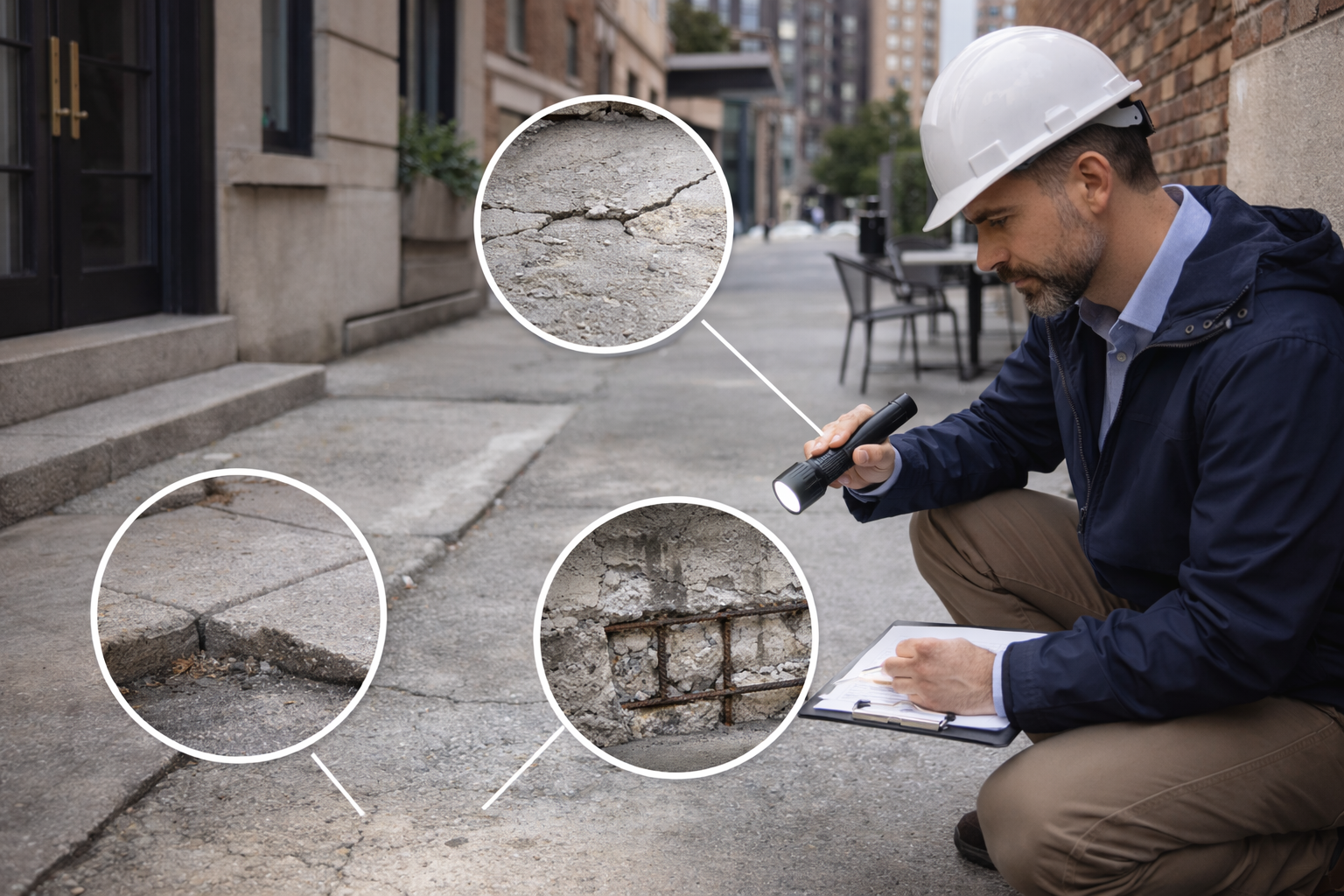
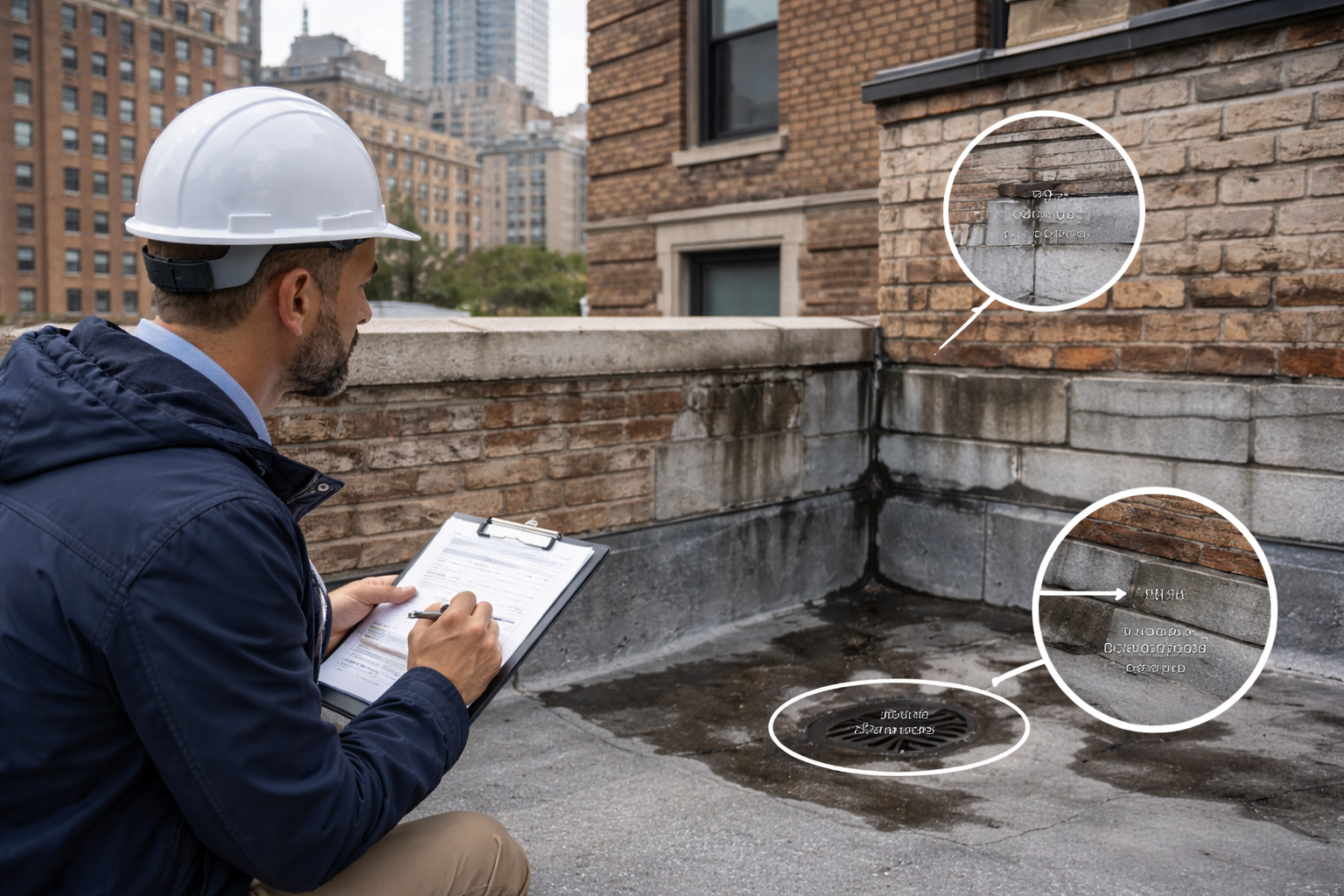
You don’t need to be an engineer to see if your building is in trouble. Walk your perimeter and look for:
- Orange Rust Streaks: This usually means the steel lintels supporting your bricks are rotting.
- “Pregnant” Brickwork: If a wall looks like it’s bulging outward, it’s a high-priority emergency.
- Unfixed SWARMP Items: If your last report was “Safe With a Repair and Maintenance Program” and you didn’t do the work, the DOB will automatically downgrade you to Unsafe for Cycle 10. There is no “carrying over” repairs anymore.
FAQ
What happens if my building is classified as Unsafe?
You have to install a sidewalk shed immediately, and you generally have 90 days to fix the issue. If you don’t, the fines can exceed $1,000 a month on top of the initial violation.
Can I just use a drone for my FISP inspection?
Drones are great for a first look, but the DOB still requires “hands-on” inspections. An inspector has to physically tap the walls to check for structural integrity.
How much does a missed filing actually cost?
Between the $5,000 annual fine and the $1,000 monthly late fees, a building that skips a cycle can easily owe the city over $17,000 before a single brick is even fixed.
How CHK Construction Helps
Navigating the DOB’s “Amnesty” overrides and FISP filings is complicated. Our team specializes in the heavy lifting, from masonry restoration and lintel replacement to handling the paperwork that gets your sidewalk shed taken down.
If you aren’t sure where your building stands or if you’re staring at a “No Report Filed” status from years ago, let’s talk. We help owners across Queens, Brooklyn, and Manhattan get compliant without the typical NYC stress.